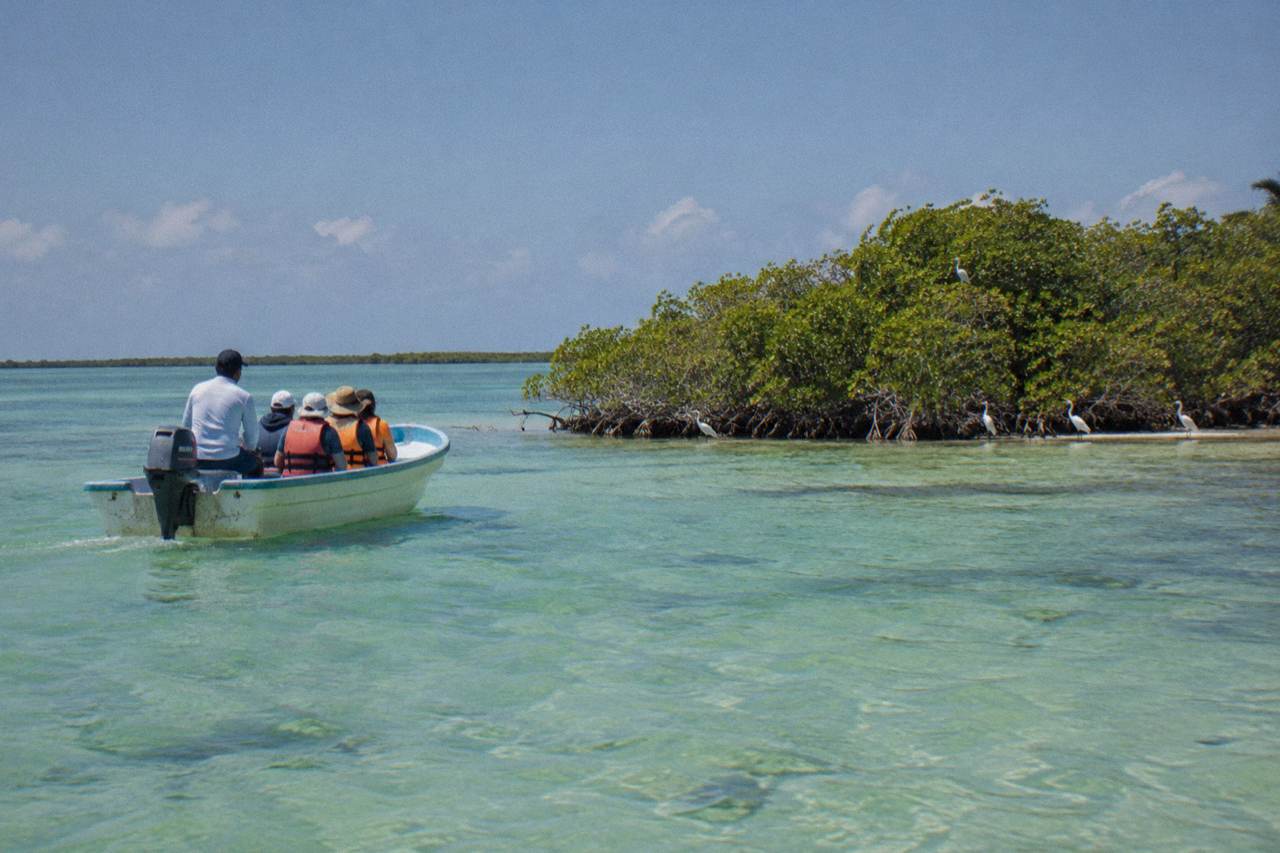
Is Holbox Safe Right Now?
A safety read on Holbox in late 2026: crime levels, ATMs and cash, weather, boat tours and the closed whale shark season, with practical advice for booking a trip.
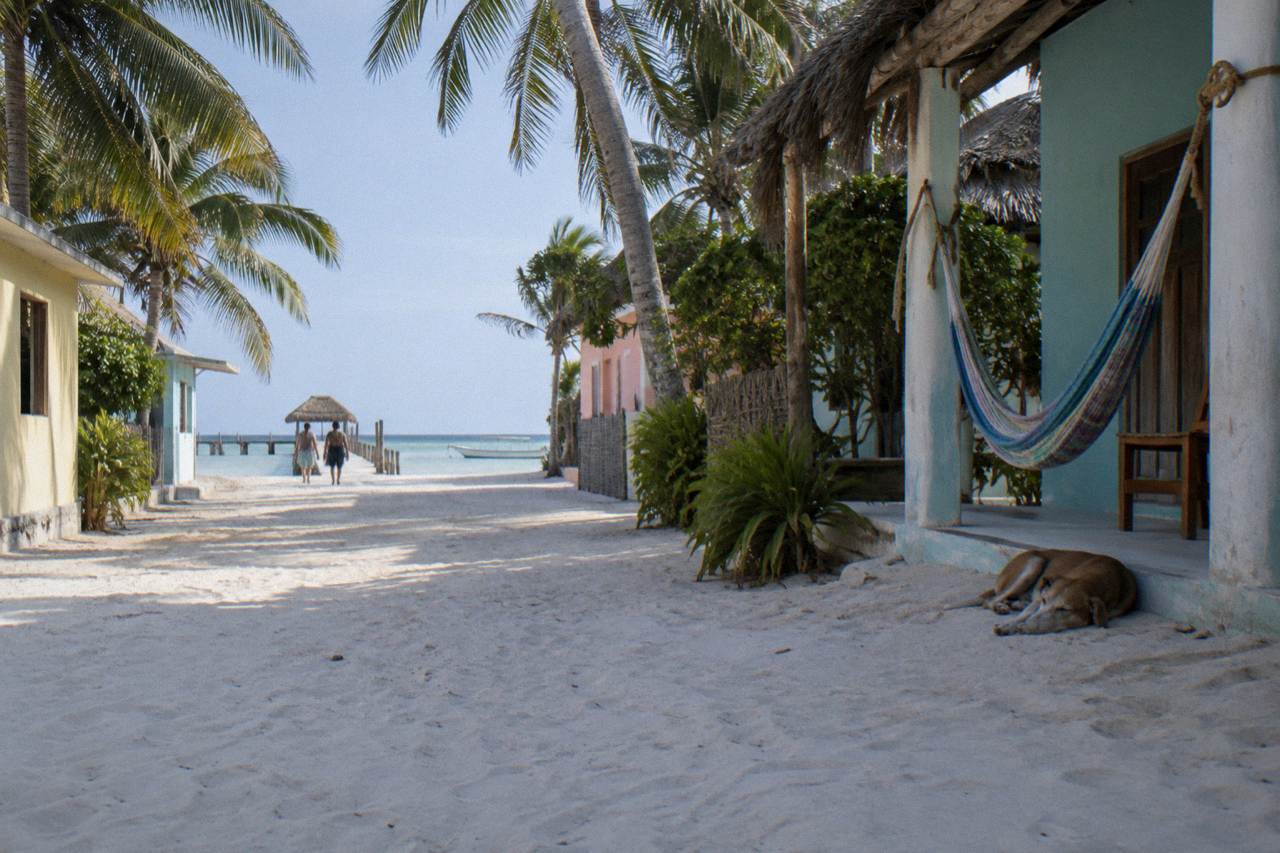
Yes, in the way most small islands are safe: local reports describe Holbox as a quiet, tight-knit community where the main risks to travellers are petty theft of unattended items, occasional overcharging, and the sea and weather themselves, not violent crime. The answer has three parts. The island is car-free and walkable. Cash matters more here than almost anywhere else on the coast, because ATMs are scarce and often empty. And in late October 2026 there is a specific season to understand: the whale shark swim season closed on 17 September, so no swim is running now, and planning means looking at next summer.
This article works through the safety question the way a careful reader would: crime and petty theft, the water and the boats, the whale shark rules, weather and flooding, and the getting-there logistics that trip more people up than crime ever does. It ends with a practical checklist and the questions travellers ask most.
The island itself physically limits a lot of risk. There are no private cars on Holbox at all: you arrive by ferry, and you get around on foot, by bicycle or by golf cart, which one 2026 guide estimates at roughly 45 to 75 USD per 24 hours. Traffic danger, the quiet background risk of most beach destinations, is close to absent. Streets are sandy and slow. The pace of the place is part of why the safety picture is so favourable.
The timing of your question matters too. October sits inside hurricane season, which runs 1 June to 30 November with the highest risk in September, and heavy rain flooded Holbox streets in early October 2026, a local report noted. The flooding was a mobility and tourism nuisance, not a safety emergency, but it is the kind of thing that reshuffles a beach week. A traveller asking "is it safe right now" in October is really asking two things: is the island safe, and is the weather cooperating. The first answer is a steady yes, the second is seasonal and worth understanding before you book.
It is also worth being straight about what is not running. The 2026 whale shark season ran 15 May to 17 September under the official SEMARNAT notice, and it is over. No swim departure is operating now, and the earliest reasonable expectation for next season is a mid-May opening, since that is what the notice pattern has given in recent years. Anyone selling you a Holbox whale shark swim in October or November is either selling a booking for next summer or is not being straight with you.
| Concern | What local reports actually describe | What you do about it |
|---|---|---|
| Violent crime | Rarely part of the Holbox picture; a quiet community profile | Normal city precautions, nothing more |
| Petty theft | Theft of unattended bags and items on beaches | Keep valuables with you or locked away |
| Overcharging | Occasional vendors and golf-cart taxis | Agree prices before you ride or buy |
| Cash and ATMs | Very limited ATMs that often run empty | Bring enough pesos from the mainland |
| Weather | Hurricane season June to November, September riskiest | Travel insurance, flexible dates, watch forecasts |
| The sea | Boat tours, currents, and rough crossings | Book established operators, wear the vest |
What Do Travellers Report About Crime And Petty Theft?
Travellers consistently describe Holbox crime as small-scale and opportunistic rather than serious: the most common complaints involve unattended belongings disappearing from beaches, along with the occasional inflated price for goods or services, while reports of violent crime are essentially absent from visitor accounts of the island. That is the consistent picture across local safety write-ups and traveller accounts for 2026. The island's profile is a low-crime, small-community one, where the police presence in tourist zones during peak weeks is described as visible. For most visitors the crime question resolves into two habits: do not leave your phone and bag alone on the sand, and settle the price of your golf cart or taxi before you get in.
Overcharging deserves a plain sentence rather than a euphemism. Some golf-cart taxis and some vendors charge more than a fair local rate, particularly when demand is high, and some businesses add a card surcharge or prefer cash. None of this is dangerous, and all of it is avoidable with two habits: agree numbers in advance, and ask whether the card price and the cash price are the same before you pay. Cards can carry a surcharge on Holbox and the card machines lose signal, so cash is not just cheaper, it is often the only thing that works.
If you want a government read on the wider region, the US State Department maintains a country page for Mexico with state-by-state information, and Quintana Roo appears there; read the page directly rather than relying on second-hand summaries of it, because advisory wording changes. What the local reporting adds, and what a government page will not, is the texture: Holbox is the quiet end of Quintana Roo, a car-free island of a few thousand people whose tourism economy depends on its reputation, and the community treats it that way.
One practical way travellers reduce even the small risks is by booking structured activities instead of improvising them. A guided boat tour with hotel pickup means you are not walking remote stretches alone with your belongings, and the price is set before you leave. That is not a safety guarantee, it is just a way of removing the situations where petty theft happens. The island's activity scene is built for exactly this, and the prices are modest: the island tour and boat category runs from $38 to $92 per person, with a private fishing option from $362 per group for up to 6 people, all listed with free cancellation.
Worth reading alongside this section: the general island guide covers the practical rhythm of a Holbox stay, and the where to stay on Holbox guide maps the neighbourhoods so you can pick a base within walking distance of everything, which on this island is genuinely possible.
Are The Boats And Water Activities Safe?
Yes, by the standard of established operators: Holbox boat tours are the island's core business, tours include life vests, insurance and certified guides, and the main real risks on the water are seasickness, sun and rough conditions, which operators manage by rescheduling. Every Holbox-departure whale shark tour carries free cancellation, and that policy exists precisely because weather kills tour days: an operator would rather refund or move you than run a crossing in chop. Practical safety notes for Holbox: the listings describe safety inclusions plainly, and life vests, life insurance and bilingual guides appear by name on several of them.
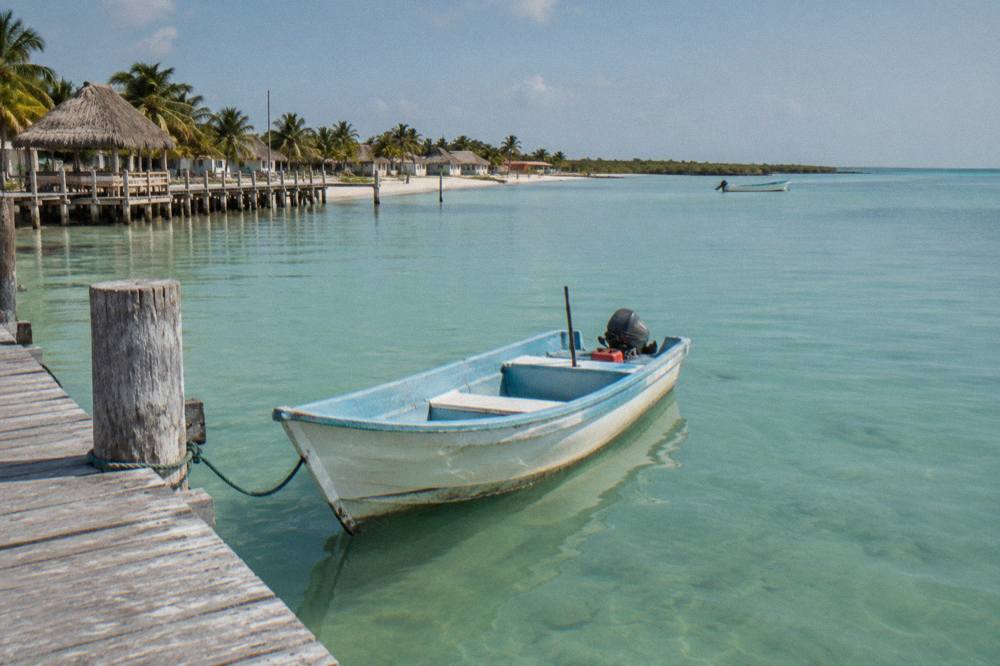
The clearest example is a well-reviewed island tour. The Three Islands boat tour from Xtreme Holbox, from $39 per person for about three and a half hours, lists a life vest, a bilingual guide and life insurance among its inclusions, plus transportation from your hotel, and it carries a 4.5 rating from 217 reviews. It leaves from the whale shark dock but involves no shark swimming; it is a bird island, Passion Island and cenote trip. For a safety-conscious traveller it is the low-commitment entry point: short, cheap, well reviewed and easily cancelled.
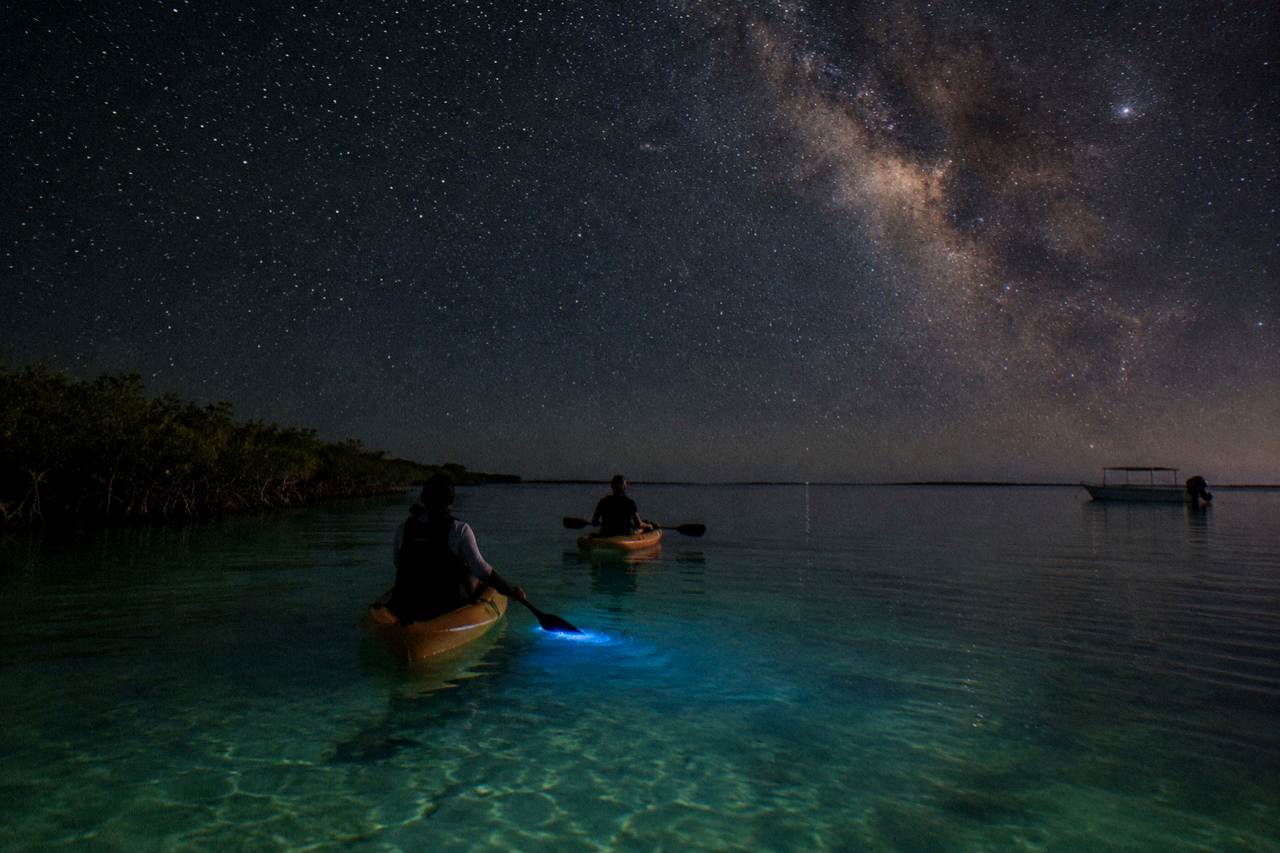
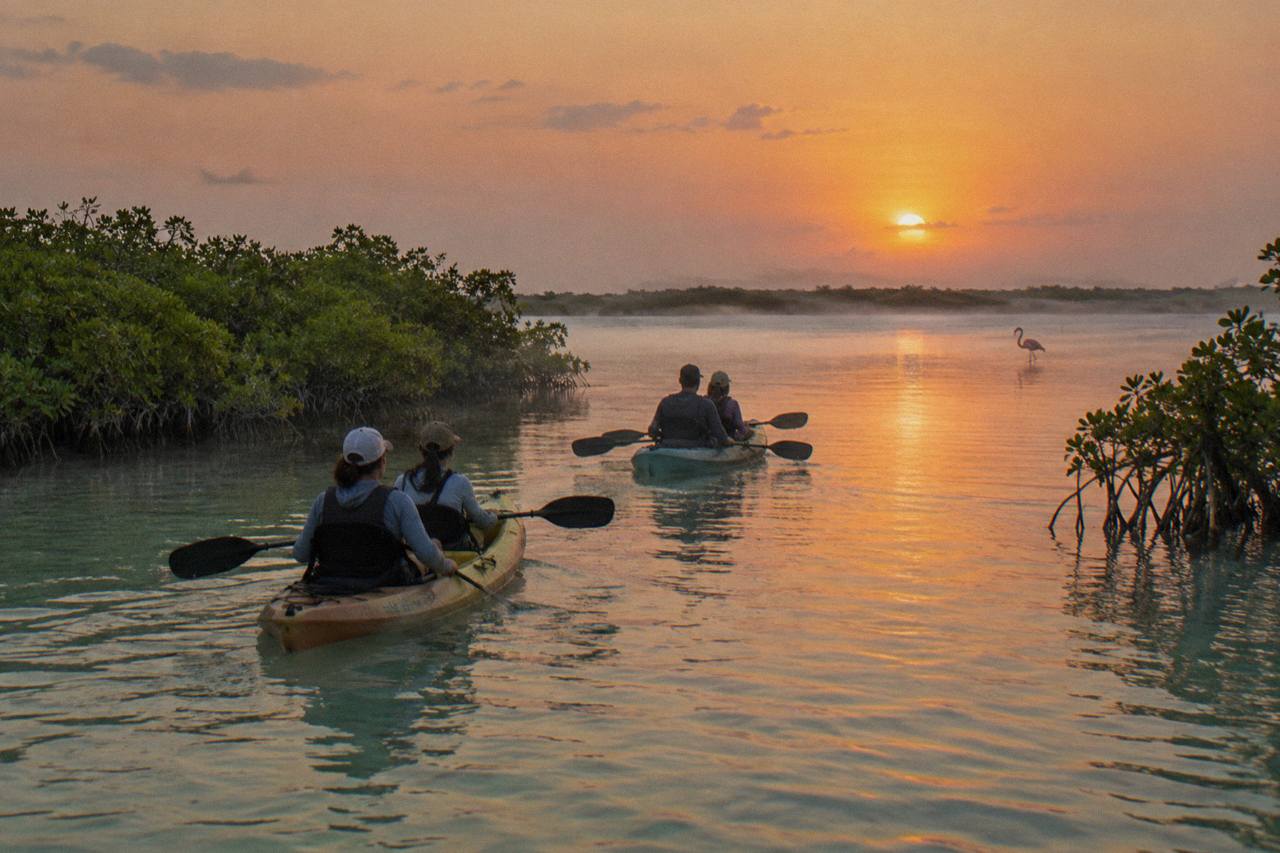
Kayaking has its own risk profile, and a sensible one. The sunrise mangrove paddle from Kayaking Holbox, from $47 per person for three hours, includes a life jacket, paddles, reserve entrance and insurance covering medical expenses, and it caps groups at 10 travellers. The bioluminescence kayak options run in the dark, which is why the listings lean on guides, life jackets and passenger insurance; the Eco Adventure version from $49 per person includes both hotel transfer and drop-off, plus a dry bag per couple. Night water always deserves a listed operator rather than a borrowed kayak.
For planning around the sea itself, the month-by-month conditions matter more than most visitors expect. Water temperatures around Holbox average 28.5 degrees C in October, falling to 26.6 in November and 25.4 in December, with the whale shark months of July and August the warmest at 28.9 and 29.4. Rough days happen in any month, and the operator's call to cancel is a safety system working, not a failure.
| Water activity | Listed safety inclusions | Price from | Cancellation |
|---|---|---|---|
| Three Islands boat tour | Life vest, bilingual guide, life insurance | $39 per person | Free cancellation listed |
| Sunrise mangrove kayak | Life jacket, insurance with medical expenses, guide | $47 per person | Free cancellation listed |
| Bioluminescence kayak and stargazing | Life jackets, passenger and accident insurance, certified guide | $49 per person | Free cancellation listed |
| Private fishing, up to 6 | Experienced local fisherman, equipment | $362 per group | Free cancellation listed |
Read the sea plainly and it behaves like any open-water destination. The same calm shallows that make Holbox a beginner-friendly kayak spot can turn choppy on a windy afternoon, and the crossings to the islands are short but real boat rides. Wear the vest even when the crew does not insist, take the seasickness tablet if you are prone to it, and treat reef shoes as safety gear on the rocky and urchin-spotted edges of the cenote and beach stops.
Is Swimming With Whale Sharks Safe?
Yes, when it is done inside the official rules, and the rules are unusually specific: the federal NOM-171 standard limits boats to 11 metres, keeps them 5 metres from the shark, caps each boat at 30 minutes with one shark, and requires a life vest or wetsuit with mask, fins and snorkel. Whale sharks are filter feeders, and the risks worth managing around them are boats, crowds and seasickness, not the animal. Touching, riding, chasing or blocking a shark is prohibited outright, swimming in front of it is not allowed, and no flash or selfie sticks are permitted. Only biodegradable sunscreen before entering the water, and entry is quiet, no jumping.
The full standard is published on the official federal register, and it reads as a genuine safety and animal-welfare framework rather than marketing copy. A specialised guide stays with a small group of swimmers; the exact limit on swimmers per guide is set by the protected-area management programme and operators differ, so treat any operator quoting you a fixed official number with mild suspicion. What you can check is simpler: the operator is licensed, the boat carries an identification pennant, and the briefing covers the conduct rules.
Timing is the main caveat for 2026. The season ran 15 May to 17 September under the SEMARNAT notice, and it is closed. Next season, typically from mid-May, is what you are booking, and the Holbox swim listings, from $178 to $210 per person shared plus a private option from $1,246 per group, all sit under free-cancellation policies, which matters when you are committing months ahead. Several also fold the shark swim into a fuller day: the all-inclusive VIP Holbox departure, from $209 per person and rated 4.9 from 267 reviews, includes breakfast, ceviche, gear and a satellite tracker aboard, while the eco tour from $190 adds hotel pickup and a Cabo Catoche snorkelling stop.
For the deeper dive into the rules and the ethics, two guides carry the detail: the swim rules explained guide walks through every NOM-171 limit, and the is a whale shark tour ethical guide takes on the crowding question directly, including what mid-season 2026 news reporting said about boat numbers.
What About Weather, Hurricanes And Flooding?
Hurricane season runs from 1 June to 30 November, with September the highest-risk month, but on Holbox the practical concerns are flooding from heavy rain and disrupted boat schedules rather than direct storm strikes, so plan around seasonal weather rather than fearing a direct hurricane hit. October 2026 proved the point: heavy rain flooded Holbox streets in early October, a local report noted, affecting mobility and tourism for a few days, affecting mobility on the island. The Atlantic hurricane season runs from June through November, with an official end on November 30. The pattern to plan around is simple: summer and early autumn bring the rain and the storm risk, December through April is the drier, more reliable window, and any boat or ferry plan in the wet half of the year should stay flexible.
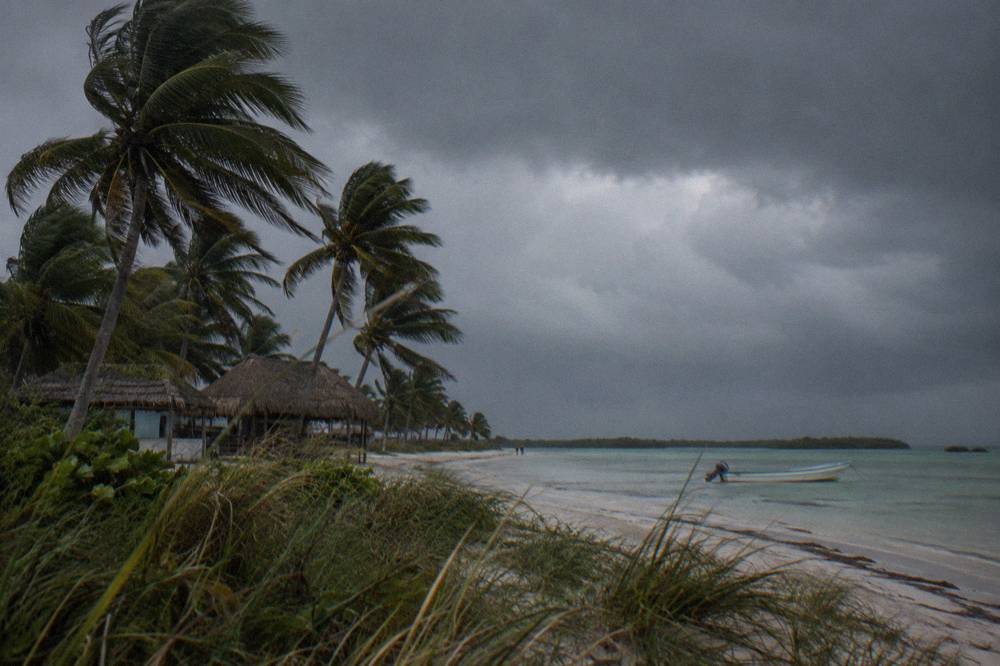
Sargassum, the seaweed question travellers increasingly ask, belongs in the weather bucket too. Holbox faces the Gulf rather than the open Caribbean, and it generally reads blue or green, meaning clean or low, on the state colour monitoring map; in mid-October 2026 local reports described Holbox and the northern points as mostly blue or green (clean to low). Even in 2026, a heavy sargassum year across the Atlantic, Holbox was relatively spared compared with Caribbean-facing beaches like Tulum. That is a description of a pattern, not a promise of clear water on any given day, and the state map is the thing to check near your dates.
The month-by-month logic is worth internalising, and it is covered in full in the weather by month guide. The short safety version: May through October is the wet, warm half of the year, with sea temperatures peaking at 29.4 degrees C in August; November through April is drier and slightly cooler. If your trip is safety-first and whale-shark-agnostic, the shoulder and dry months give you the calmest odds of everything running as planned. If the sharks are the point, you accept the summer weather lottery in exchange for the mid-May to mid-September window.
Insurance is where this all becomes practical. A standard travel policy that covers trip interruption and activity cancellation costs relatively little against a week of prebooked tours, and Holbox's free-cancellation listings already do half the work: if weather kills a boat day, you are not chasing a refund, the cancellation policy handles it. Read the storm clause, keep your dates movable by a day where you can, and treat any red or orange sargassum or storm forecast as a reason to re-plan the beach day, not the whole trip.
What About Cash, ATMs And Getting Around Safely?
The single most likely way to be caught out on Holbox is cash: the island has very few ATMs, they run empty in busy periods, cards carry surcharges and lose signal, so arriving with enough pesos is a genuine safety practice, not just a tip. Local guidance for 2026 is blunt about it: withdraw on the mainland, at Cancun airport or in Chiquila before the ferry, because the island's few machines frequently dispense nothing and sometimes charge stiff fees for the privilege. Many small businesses, beach clubs and food stalls are cash-first or cash-only, and the golf-cart rental deposit conversation goes better with notes than with a card that may not connect.
The getting-there logistics carry their own minor risks, mostly of the wasted-day variety. The crossing from Chiquila runs about every 30 minutes from 6:00 a.m. to 9:30 p.m. and takes about 25 minutes, with an adult one-way fare of 330 pesos, per a 2026 ferry guide. Parking in Chiquila runs about 100 pesos a day in guarded lots: pay upfront and keep the receipt. From Cancun airport the road leg is about 1.75 to 2.5 hours, with shared shuttles roughly 20 to 60 USD, private transfers roughly 220 to 240 USD, and the ADO bus about 4 hours total. None of this is dangerous; all of it punishes the traveller who lands late with no pesos and no booking.
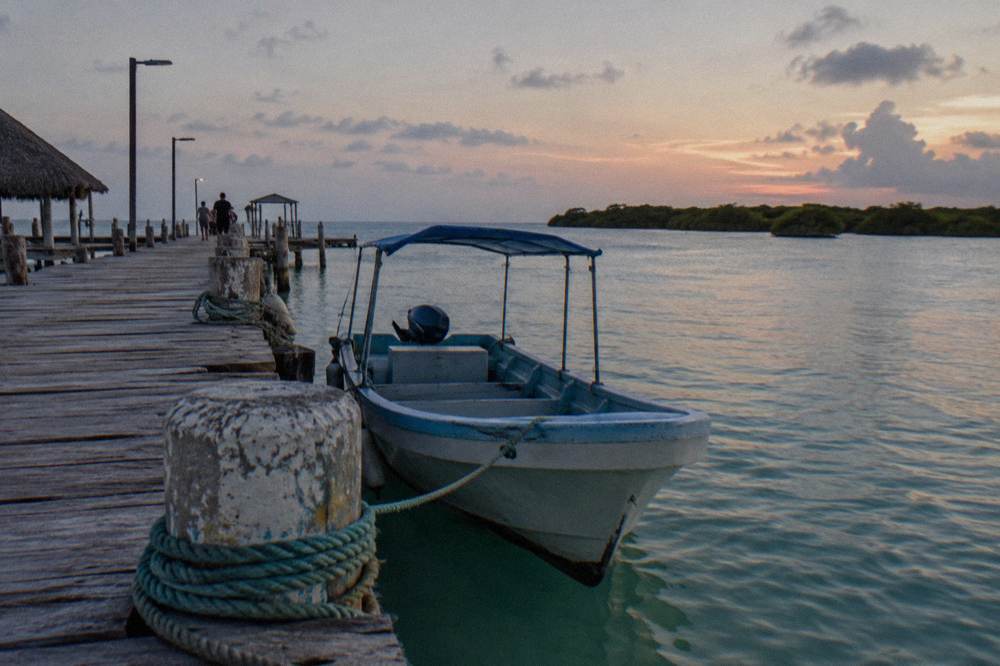
On the island, the car-free rule does the safety work. Golf carts at roughly 45 to 75 USD per 24 hours are the powered option, bikes and feet the rest, and the crash profile of a sandy lane at walking pace is about as benign as transport gets. The two cart cautions worth printing: agree the price and the fuel or charge policy in advance, because overcharging complaints cluster here, and do not leave bags in an unattended cart, because unattended items are exactly what petty theft on this island looks like. The full arrival walkthrough, including the ferry detail, is in the how to get to Holbox from Cancun guide.
The Safety Checklist Before You Book
Book Holbox with confidence: reserve only with listed operators, carry cash, insure the trip, keep your dates flexible, and treat free-cancellation policies as your weather insurance. Follow those five steps and you have addressed essentially every real Holbox risk before you ever confirm a booking. The island does not need a security plan. It needs a logistics plan: pesos in hand, a licensed boat under you, a vest on, and a calendar that knows September is stormy and mid-May is when the season has typically reopened. Travellers who have a bad time on Holbox almost always had a cash problem or a weather problem, not a crime problem.
Here is the checklist in one place. Money: withdraw pesos before the island, expect card surcharges, keep small notes for carts and stalls. Bookings: use listings with free cancellation and printed inclusions, and read the exclusions line so a dock fee never surprises you; several listings charge government or park fees separately on the day and state the amount on the listing. Water: vests on, seasickness tablets if prone, no swimming alone at night. Weather: check the sargassum map and storm forecasts the week you travel. Documents: a photo of your passport, and travel insurance that covers boat activities.
And the season question, one last time, because it is the one safety-adjacent fact that changes what you can even book: nothing shark-related is running now. The 2026 window closed 17 September. Bookings you make today are for next season, typically from mid-May, and the listings' free-cancellation terms are what make that early commitment reasonable. The Holbox whale shark season month by month guide lays out exactly how the season builds, peaks in July and August, and fades.
Sunrise Kayak, Trilingual Guides
Holbox Island Kayak, Boat And Bioluminescence Tours · 3 - 3.5 hours
★ 4.9 · 174 reviews · From $46
Check availability →The sunrise mangrove kayak, from $46 per person, is a good example of the safe-first booking: hotel pickup, drop-off downtown, life jackets, water and fruit included, and a 4.9 rating from 174 reviews, all under free cancellation. It runs in daylight, in sheltered water, with everything listed. For the shark swim itself, or a first island tour, the same logic applies: pick the listing whose inclusions are printed, whose boat is licensed, and whose cancellation terms you have actually read.
Common Questions About Safety On Holbox
Is there violent crime on Holbox?
Violent crime is essentially absent from the Holbox picture in local reporting. The island is small, car-free and community-run, with visible police presence in tourist areas during busy periods. The crimes that occur are opportunistic: unattended bags taken from beaches and occasional price inflation.
Will my card work on Holbox?
Sometimes. Cards are accepted at some hotels and larger businesses, but machines lose signal, surcharges are common, and many small vendors are cash-only. ATMs are few and frequently empty. Withdraw pesos on the mainland before you arrive.
Is it safe to swim with whale sharks?
Yes, inside the federal NOM-171 rules: licensed boats up to 11 metres, 5 metres minimum distance, 30 minutes maximum per boat per shark, a guide in the water with swimmers, vests required, no touching or flash. Whale sharks are filter feeders; the manageable risks are boats, crowds and seasickness. The season is closed now and reopens typically from mid-May.
When is the riskiest time to visit Holbox?
September: it is the peak of hurricane season, and it is also when the whale shark season winds down. October carries a lower storm profile but still sits inside hurricane season, which ends 30 November. December through April is the drier, most weather-reliable window.
Is the ferry crossing safe?
Yes. The Chiquila to Holbox ferry runs about every 30 minutes from 6:00 a.m. to 9:30 p.m., crosses the calm Yalahau Lagoon in about 25 minutes, and continued normal service through the early-October 2026 rains. Seasickness-prone travellers should sit low and centred on windy days.