Why Is Holbox So Expensive?
A breakdown of why Holbox prices run high: ferry logistics, a car-free island, a cash economy, and where a whale shark day fits the budget.
Holbox prices surprise people who arrive expecting a backpacker island, and the surprise has a logic to it. The island is car-free, reached only by a ferry from Chiquila, supplied almost entirely by boat, and short on ATMs in a place that still prefers cash. A whale shark swim from Holbox lists from $178 to $210 per person, island boat tours start from $39, and day trips from Cancun run from $97. None of that is arbitrary. This article unpacks each layer of the cost, shows where the money actually goes, and points out the parts of a Holbox trip that are cheaper than they look. If you're still weighing whether the island justifies those prices, our look at whether Holbox is worth visiting covers who loves the island, who leaves disappointed, and what the whale shark swim adds to a stay.
Holbox is expensive because every input carries an island premium: goods cross by ferry, people cross by ferry, there are no cars, ATMs are scarce and cards often carry a surcharge, and the high-season whale shark economy concentrates demand into four months. Shared whale shark swims from Holbox list from $178 to $210 per person, while the island's cheaper boat tours start from $39 and mainland day trips from $97, so a mixed itinerary softens the bill considerably.
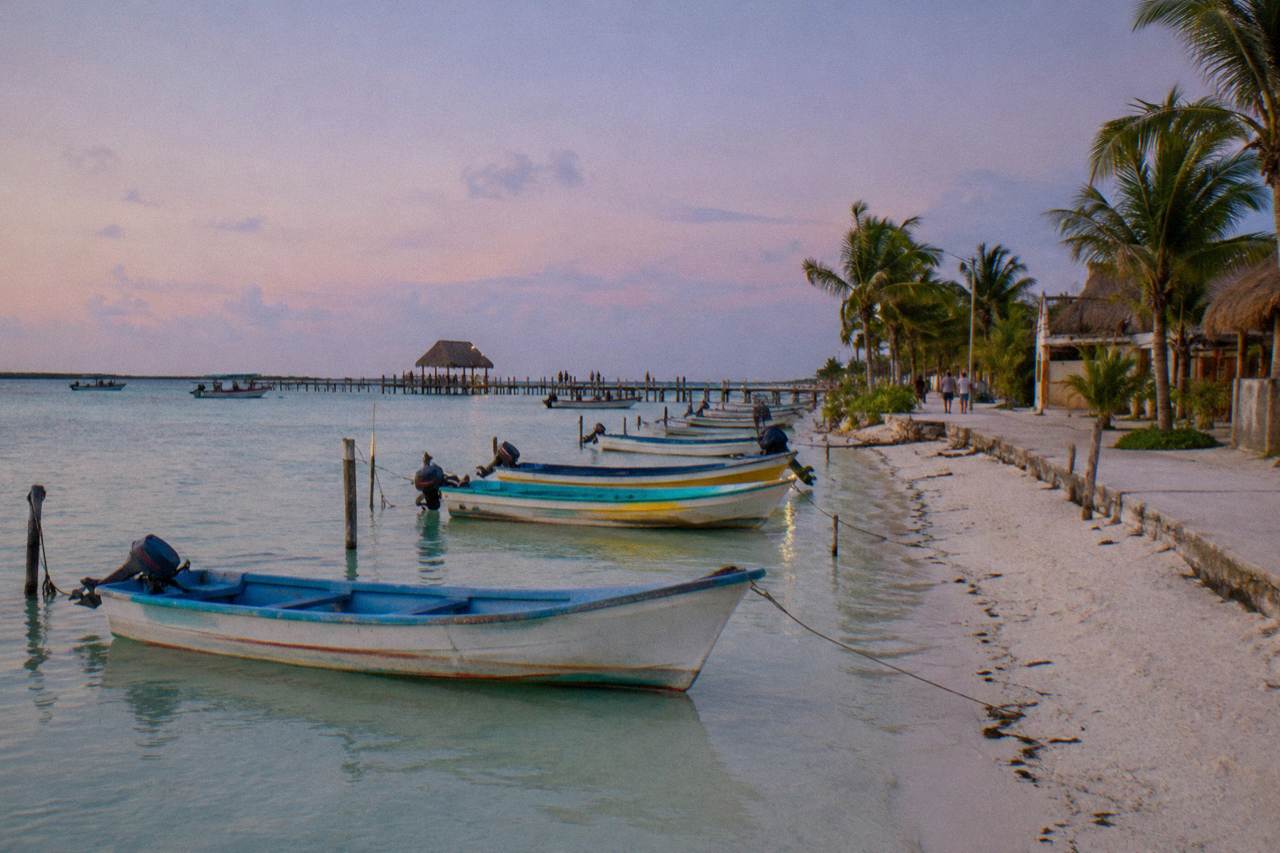
The short version: you are paying island logistics, not luxury. Holbox has no road connection and no bridge, no scheduled flights (the airstrip handles charters only), and no private cars. Every bottle of water, every crate of fruit and every fuel delivery arrives across the Yalahau lagoon. That cost lands in restaurant prices, hotel rates and tour quotes alike.
The second driver is seasonal compression. The whale shark season is short: the official 2026 window ran 15 May to 17 September under the SEMARNAT notice, and most operators run roughly 1 June to mid-September. Operators, guides and boat crews earn a large share of their year in those months, and the pricing reflects it. Mid-season local reporting described 15 to 20 boats going out daily at about half capacity in July, which tells you demand is strong even when the fleet is not full.
There is also a genuine cash friction. A 2026 ferry guide describes card payments carrying a surcharge at the ticket window, unreliable card signal, and island ATMs that frequently run empty in high season. Cash-dependent businesses price for the hassle, and visitors who arrive without pesos pay for it twice: once in fees, once in unfavorable situations when the machine is down.
Where does the money actually go? A rough layering:
| Cost layer | What drives it | Typical planning figure |
|---|---|---|
| Getting there | Ferry from Chiquila, about every 30 minutes, roughly 25 minutes across | A 2026 ferry guide lists 330 pesos adult one way |
| Getting around | Car-free island, golf carts or walking | Golf carts roughly 45 to 75 USD per 24 hours, a guide estimate |
| Eating and staying | Everything arrives by boat | Mid-range island pricing, higher than mainland Quintana Roo |
| Whale shark swim | Licensed boats, short season, small groups | Holbox departures from $178 to $210 per person |
| Cheaper island days | Three-island boat tours, day trips from the mainland | Island tours from $39; day trips from $97 |
If you are building a full Holbox trip, the mix matters as much as the headline prices. A week built entirely around premium tours feels very different from a week with one big swim day, a boat tour and a lot of beach time.
The three listings above span the whole budget range of a Holbox visit: the all-inclusive whale shark swim at the top, the $178 six-hour whale shark and snorkeling adventure in between, and the $39 three-island boat tour for travelers keeping the day short and the spend small. The rest of this article explains why each of those price points is where it is.
What The Ferry And The Car-Free Rule Do To Prices?
The ferry from Chiquila is the only way on and off the island, and private cars are banned, so every visitor arrival, supply delivery, and day-to-day journey carries a crossing cost. Those costs get baked into island prices, which is why things here generally cost more than at mainland destinations that trucks and cars can reach freely. A 2026 ferry guide lists adult one-way fares at 330 pesos, crossings of about 25 minutes, and boats roughly every 30 minutes from early morning to late evening, which is affordable per person but adds up for families and multiplies for every pallet of goods.
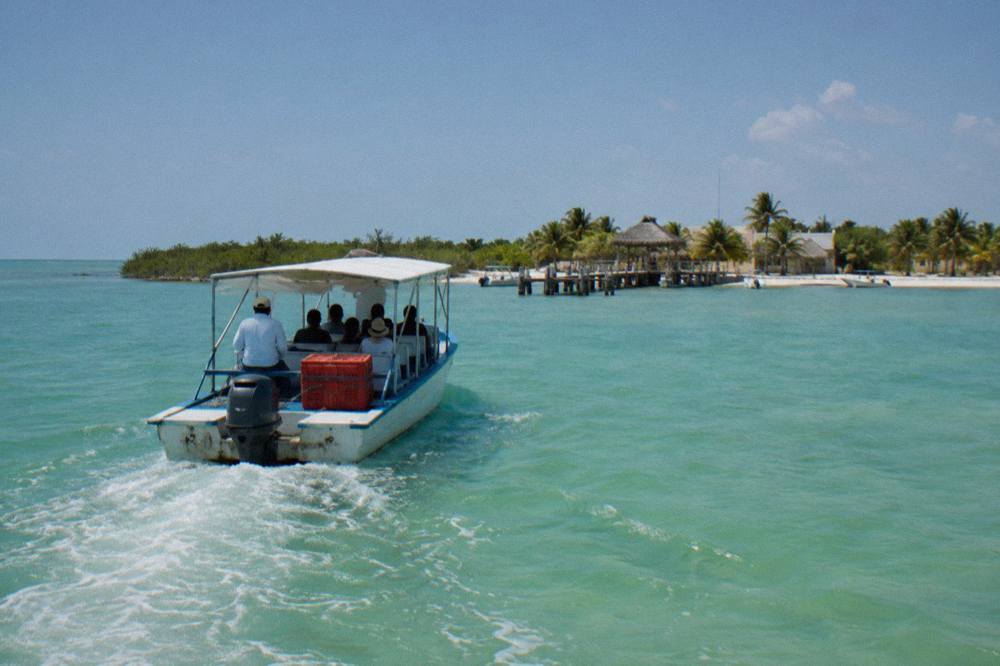
Start with logistics. Restaurants do not send a van to a wholesaler; they send someone on the ferry, or they pay a supplier who does. Fuel for the boats, gas for the golf carts, ice for the ceviche, all of it crosses the lagoon. When a whale shark tour quotes from $178 per person, part of that price is simply the cost of running a boat in a place where nothing is cheap to provision.
The car-free rule amplifies it. Visitors park in Chiquila, and a 2026 guide lists guarded lots at about 100 pesos per day. Once on the island you walk, cycle or rent a golf cart, and cart rentals run roughly 45 to 75 USD per 24 hours as a guide estimate. That is a real daily line in a Holbox budget, and unlike a rental car it does not leave the island with you.
There is also a time cost that behaves like a money cost. Cancun airport to Chiquila is about 1.75 to 2.5 hours by road, with shared shuttles roughly 20 to 60 USD and private transfers roughly 220 to 240 USD per vehicle, per one 2026 transfer guide. The practical result: a Cancun to Holbox day trip you arrange yourself makes for a long day, with the door-to-door journey running three to four and a half hours or more each way. Organized day tours cover the route in 11 to 12 hours, starting at $97.
The full route from Cancun is covered in its own guide, but the budget takeaway is simple: arrive with pesos for the ferry and parking, decide in advance whether a golf cart rental is worth the daily rate, and treat the crossing as part of the island's charm rather than a fee to resent.
Why Does Everything On The Island Cost More Than The Mainland?
Everything on the island costs more than on the mainland because every input arrives by boat, and the energy and logistics costs of that crossing are passed straight through to retail and restaurant prices. A short high season then has to cover a long, quiet stretch of the year, keeping prices above mainland Quintana Roo levels. For a Mexican beach destination, Holbox lands mid-range to high on the price scale, not a budget stop, and the gap is structural rather than a visitor trap.
Consider what a tour operator on Holbox pays for that a Cancun operator does not. Their boat fuels up at island prices. Their staff live on an island where rent and food already carry the premium. Their season, for whale shark work, is about four months long, and the SEMARNAT notice that opens it also closes it: the official 2026 window ran 15 May to 17 September. Equipment, insurance, permits and boat maintenance all get amortized across that short window.
The permits themselves are limited. A July 2026 news report counted 146 CONANP permits for the season across the region, split 92 for Isla Mujeres, 48 for Holbox and 6 for Chiquila, across 14 cooperatives. Limited authorized boats meeting concentrated summer demand is textbook pricing pressure, and it explains why the Holbox swim listings cluster in a fairly narrow band rather than racing to the bottom.
None of this means you are being overcharged for what you actually get. The listings are explicit about inclusions. The 7-hour all-inclusive swim from VIP Holbox Experience lists a light breakfast, ceviche, guacamole and mango, snorkel gear, a guide, an activity bracelet, cold drinking water and a real-time satellite tracker, from $209 per person. The listing states what you get; the island premium explains why it costs what it costs.
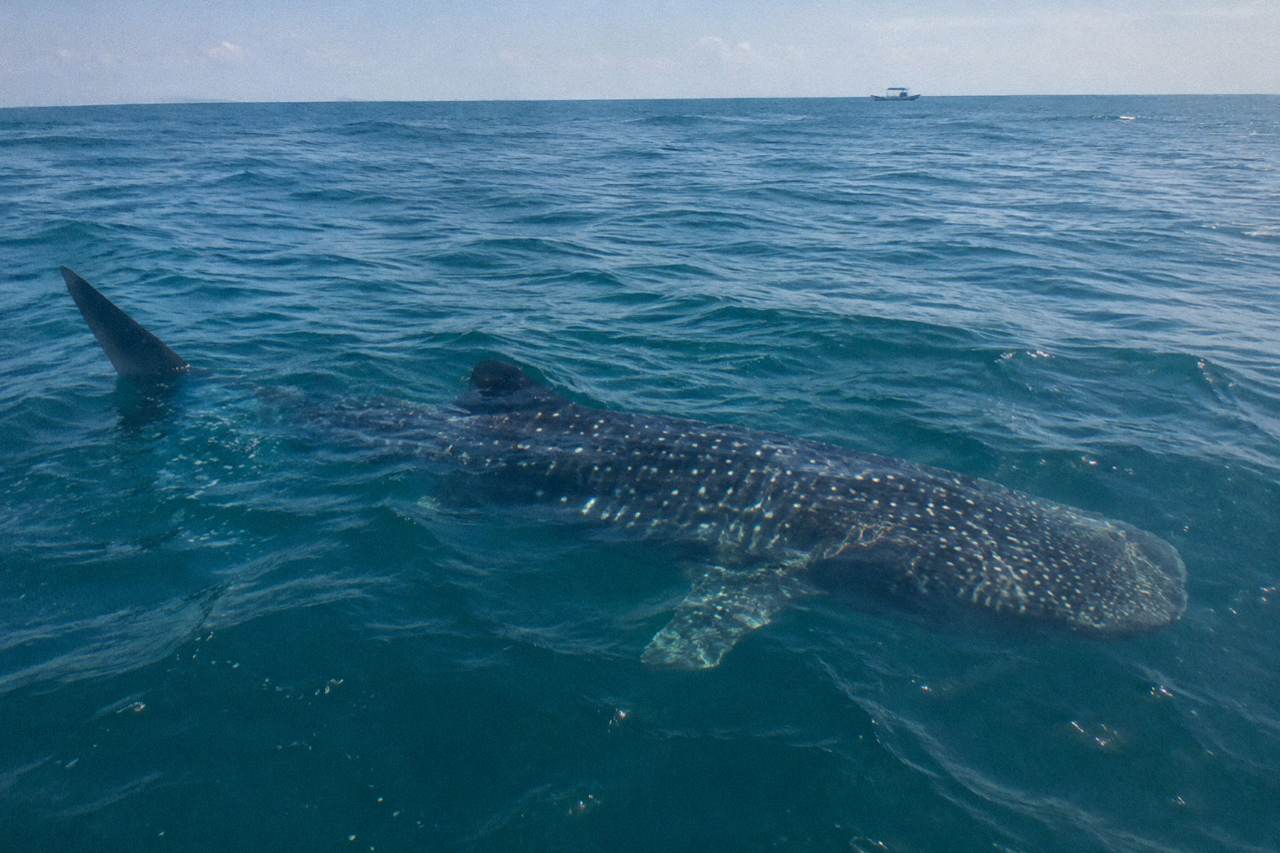
7 hours
★ 4.6 · 57 reviews · From $190
Whale shark swims ended for 2026 on 17 September. The 2027 season dates have not been announced, so open calendars may stay blank for now.
Check availability →Does The Cash Economy Make Holbox More Expensive?
Yes, in practice: ATMs on Holbox are few and often empty in high season, cards can carry surcharges or fail on weak signal, and cash-only situations push visitors into withdrawing at poor rates or short-changing their own budget. A 2026 ferry guide describes card surcharges at the Chiquila ticket window, no reliable ATM in Chiquila, and a couple of island machines that frequently run dry.
This is the quietest of Holbox's cost multipliers because it never appears on a price tag. It shows up as the stack of ATM fees, the card surcharge at a beach restaurant, or the taxi you overpay for because you are short on small notes. The fix is unglamorous: arrive with enough pesos withdrawn in Cancun or Playa del Carmen to cover the ferry, parking, cart, tips and a buffer day.
Tipping belongs in the budget too. On the whale shark boats, gratuities are excluded on the Holbox swim listings, which means the crew's tip is a real, expected, unbudgeted cost for travelers who only read the headline price. Plan for it the way you plan for the ferry.
One more quiet cost: fees paid on the day. Several listings across the site's lineup note a government, park or conservation fee paid separately at check-in, with the amount stated on each listing. On the Holbox side, a July 2026 news report quotes a cooperative representative describing the Yum Balam access fee at about 230 pesos a visitor, noting other Caribbean protected areas charge less; that is a news quote, not an official tariff page, so treat it as a planning figure rather than a published rate.
Where Does A Whale Shark Day Sit In A Holbox Budget?
A shared whale shark swim from Holbox lists from $178 to $210 per person for 6 to 7 hours, the private listing runs from $1,246 per group, and that single day is usually the largest line in any Holbox trip after accommodation. Against island boat tours from $39 and day trips from $97, the swim is the premium item, and it earns that place through season length, permit limits and what the day includes.
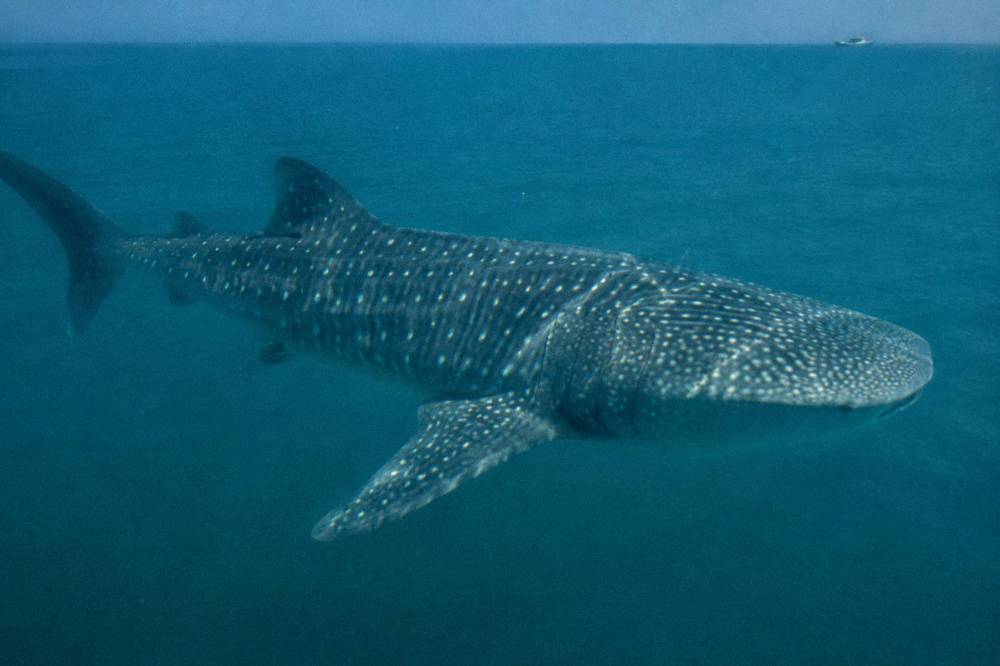
Here is the full Holbox-departure lineup with the listed prices, so the budget math is concrete:
| Listing | Duration | Price as listed | Rating and reviews |
|---|---|---|---|
| Whale Shark and Snorkeling Adventure (VIP Holbox Experience) | 6 hours | from $178 per person | 4.6 from 243 reviews |
| Whale Shark Group Adventure (Holbox Whale Shark Tours) | 7 hours | from $184 per person | 4.3 from 86 reviews |
| Whale Shark Eco Tour with Lunch (Xtreme Holbox) | 7 hours | from $190 per person | 4.6 from 57 reviews |
| Search and Swim, All Inclusive (VIP Holbox Experience) | 7 hours | from $209 per person | 4.9 from 267 reviews |
| Whale Shark Tour from Holbox (Holtours) | 6 hours | from $210 per person | 4.5 from 47 reviews |
| Private Swim with whale sharks (VIP Holbox Experience) | 7 hours | from $1,246 per group | 4.5 from 27 reviews |
Two things jump out. First, the shared band is tight: $32 separates the cheapest and dearest per-person listing, so the real decision is inclusions and group size, not price. Second, the private listing is a different product entirely, priced per group, and only makes sense for families or small groups doing the math per head. A deeper cost comparison breaks the fees and inclusions line by line.
The featured all-inclusive listing illustrates what the top of that band buys: 7 hours, a 4.9 rating from 267 reviews, three languages including French, and an inclusions list running from breakfast through ceviche to a satellite tracker, check the live listing for current availability.
One budget note from the season just finished: a September 2026 news report described demand falling nearly 80 percent by early September, with local tour prices dropping from about 2,800 pesos to 2,000 to 2,300 pesos as the season wound down. That is a news-reported local price, not a listing price, but it tells you the calendar is a lever: late-season weeks can be cheaper and quieter, at the cost of fading shark numbers and higher September storm risk.
Are There Cheaper Ways To Enjoy Holbox?
Yes: island boat tours start from $39 per person, kayak and bioluminescence tours run from $47 to $49, and mainland day trips from $97 deliver the island without island hotel prices, so a Holbox experience does not require whale shark money. The island's non-swim lineup is genuinely affordable, and much of Holbox's appeal, the beaches, the flat streets, the sunsets, costs nothing at all. For a full rundown of which experiences genuinely cost nothing, our free things to do in Holbox guide also covers the pay-what-you-want walking tour nearest to the island.
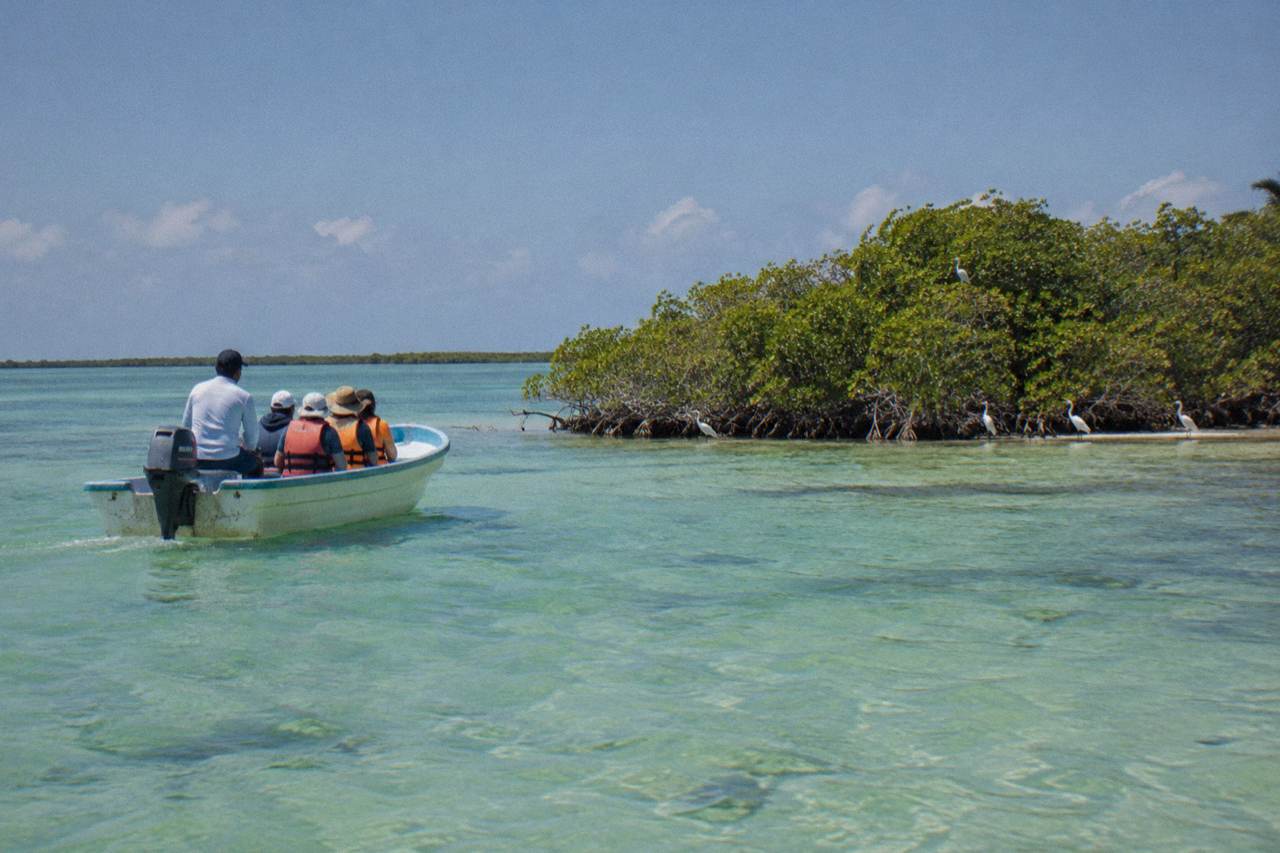
The three-island boat tour from Xtreme Holbox illustrates the value end. It lists from $39 per person for 3 hours 30 minutes, includes hotel pickup within Holbox, a bilingual guide, a life vest and life insurance, and carries a 4.5 rating from 217 reviews. The exclusion to know about: the Cenote Yalahau entrance fee is paid separately, with the amount stated on the listing.
Around it sit kayak mornings and bioluminescence evenings: the sunrise mangrove paddle lists from $47 with a 4.8 rating from 244 reviews, and the bioluminescence kayak options run from $47 to $49. Bioluminescence is commonly described as May to October, best on dark nights near the new moon, and never guaranteed, so treat it as a bonus rather than a booked certainty.
For travelers weighing whether the island justifies its prices at all, the mainland day trip route is the budget answer. The boat tour with lunch from Cancun or Puerto Morelos lists from $97 per person for a 12-hour day, includes hotel pickup, a guide, admissions to the listed stops, the boat tour, five beverages per person and lunch, and holds a 4.6 rating from 133 reviews. Mandatory environmental and entrance fees are paid separately, amounts on the listing.
One caution that saves money rather than spends it: these island boat tours and mainland day trips are not whale shark swims, and no listing in those categories should be read as one. The swim is its own product, its own season and its own price band, and mixing them up is how people end up disappointed at full price.
When Do Holbox Prices Soften?
Prices soften late in the whale shark window: early September, before the 17 September close, brought news-reported discounts on swim tours, and the October to April off-season brings quieter, often cheaper island rates, at the cost of no sharks, occasional storms early on, and cooler but still swimmable seas. The official season is set by the SEMARNAT notice each year, and the 2027 dates have not been announced; prior notices appeared around May.
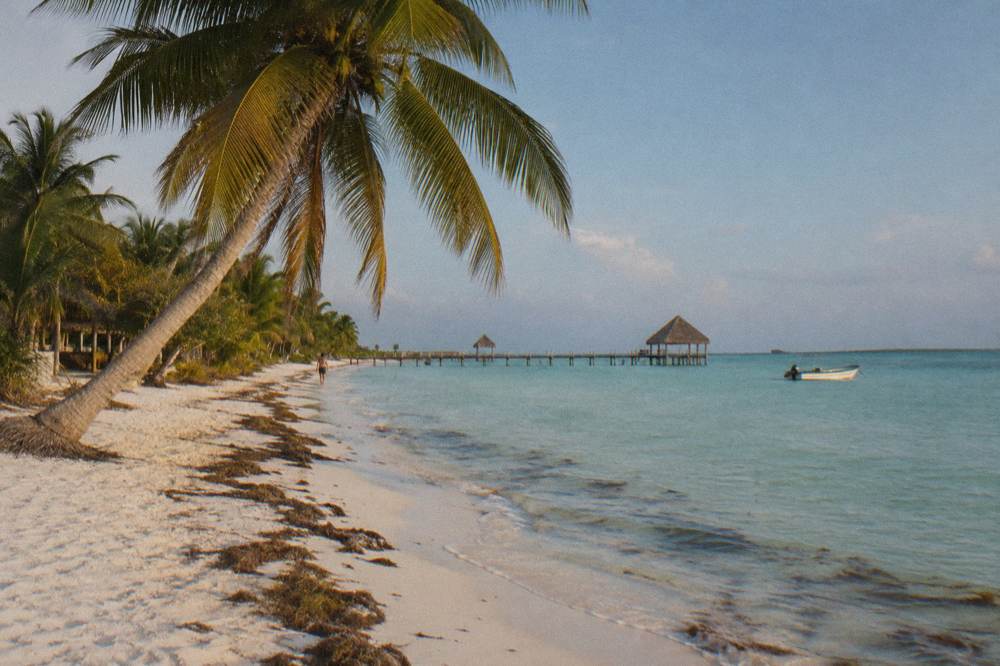
For swimmers, the picture is this: next season typically opens from mid-May, most operators run roughly 1 June to mid-September, and July and August are the peak months. Peak means full price and busy boats. Late May and June offer building numbers and marginally softer demand; early September can offer the discounts described in the news report above, with the trade-off of declining shark activity and the highest hurricane-risk month of the year, since the Atlantic season runs 1 June to 30 November with September its peak risk.
Off-season has its own appeal and its own arithmetic. Sea temperatures stay swimmable, 28.5 degrees C on average in October and 26.6 in November by satellite averages, and mid-October 2026 local reports described Holbox beaches reading mostly clean on the state sargassum colour map in a year that was heavy across the Atlantic but relatively spared the island. Hotels discount, boats pivot to fishing and island tours, and the cash-and-crowd pressure eases.
The best overall answer for many budgets is a split: book the whale shark day in peak season when sightings are strongest, and spend the rest of the trip in the cheap and free layers, beaches, bike rides, a $39 boat tour, a kayak morning. The month-by-month detail, including sea temperatures for every month, is in the when to swim with whale sharks in Holbox.
If you are weighing whether the premium day justifies itself, compare it against what else the money buys on Holbox: the swim is the island's flagship experience, and Holbox Island Whale Shark Tours exists because enough visitors decide it is worth planning around.
Whichever tier you book, the cancellation terms matter more on an island than on the mainland: every listing in the lineup above states free cancellation, but dates inside the short season move fast, and boats are weather-dependent by law and by sense. Check availability early for July and August weeks.
Common Questions About Holbox Prices
Is the Holbox ferry expensive?
A 2026 ferry guide lists the adult one-way fare at 330 pesos for a crossing of about 25 minutes, with boats roughly every 30 minutes. Per person it is modest, but parking in Chiquila at about 100 pesos a day and the lack of any road alternative make it a fixed cost of every visit.
Why do whale shark tours on Holbox cost around $200?
Short season, limited permits and small boats. Only 48 of the region's 146 permits sat with Holbox in 2026, the official season ran 15 May to 17 September, and listings cap groups at 8 to 10 travelers per boat. The listings include breakfast, ceviche, gear and a guide, which is most of a 6 to 7 hour day.
Are there hidden fees on Holbox tours?
Some listings state a government, park or conservation fee paid separately on the day, with the amount on each listing, and some listings leave the taxi to the meeting point to you. A July 2026 news report quoted a cooperative representative on a Yum Balam access fee of about 230 pesos a visitor, but that is a news quote, not an official tariff.
How can I visit Holbox cheaply?
Skip the island hotel and take a mainland day trip from $97, or stay on the island and build around the cheap layer: beaches are free, island boat tours start from $39, kayak tours from $47, and bioluminescence paddles from $47. Arrive with pesos to avoid ATM fees and card surcharges.
Do Holbox prices drop at the end of the season?
They can. A September 2026 news report described demand falling nearly 80 percent by early September, with local tour prices dropping from about 2,800 pesos to 2,000 to 2,300 pesos. The trade-off is fading shark numbers and September being the peak hurricane-risk month.