How To Get To Holbox From Cancun: Chiquila Ferry, Shuttle And Bus
Holbox has no bridge and no scheduled flights, so every visitor arrives the same way: a road transfer to the mainland port of Chiquila and a 25-minute ferry across the Yalahau Lagoon.
Short answer
A 2026 ferry guide lists boats every 30 minutes from 6:00 a.m. to 9:30 p.m. from Chiquila, about 25 minutes crossing, 330 pesos adult one way. The drive from Cancun airport takes about 1.75 to 2.5 hours; the ADO bus takes about 4 hours total. Bring pesos: cards carry a surcharge and ATMs are scarce.
Every traveller to Holbox arrives by water. There is no bridge, no car ferry for visitors and no scheduled air service, so the journey always ends the same way: a short boat ride from the mainland port of Chiquila across the Yalahau Lagoon. What varies is the two hours or more before that crossing, and the choices you make there, shuttle, private transfer, rental car or bus, decide how much of your day the trip consumes.
This guide walks the whole route in order: getting out of Cancun, the drive north, the Chiquila ferry itself, parking and cash practicalities, and the arithmetic on whether a Cancun day trip to Holbox makes sense. It also connects the journey to the reason many people make it, the whale shark swim that runs from Holbox each summer.
What Is The Chiquila Ferry To Holbox Schedule And Fare?
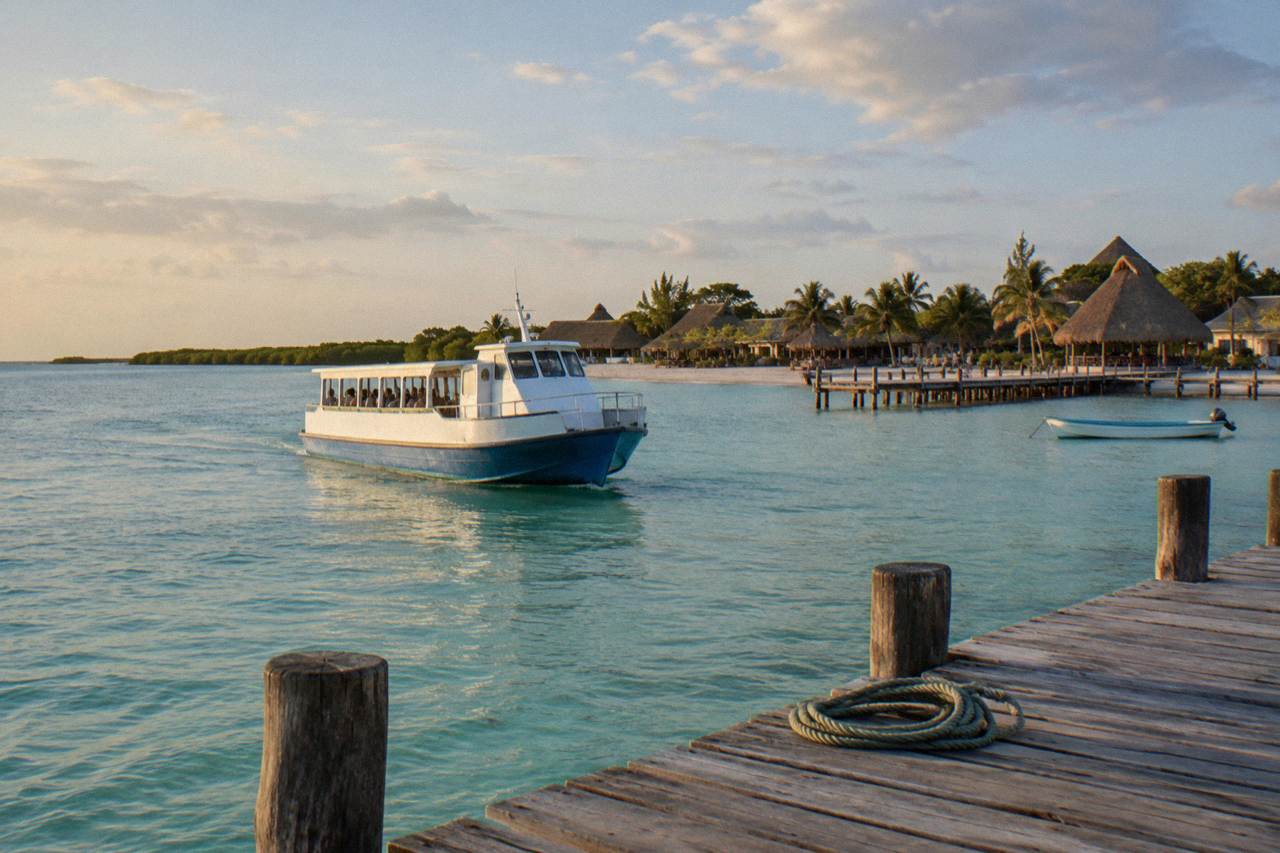
The Chiquila to Holbox ferry runs about every 30 minutes from 6:00 a.m. to 9:30 p.m., with the crossing taking about 25 minutes; a 2026 ferry guide lists the adult one-way fare at 330 pesos, with children paying roughly half. Two operators, Holbox Express and 9 Hermanos, share the route and alternate departures, so you rarely wait long even without a reservation.
The two companies use different coloured boats, Holbox Express and 9 Hermanos, alternating roughly every half hour, and a 2026 ferry guide describes them as running alternating services that together produce the roughly half-hourly frequency. Return boats from Holbox run from early morning into the evening., slightly earlier than the last mainland departure, which matters if you are planning a very late evening on the island side. Schedules are subject to weather and can shift, so confirm on the day rather than planning to the minute.
The crossing itself is short and usually calm, since the ferry crosses the shallow lagoon rather than open sea. You will not need to book ahead in normal conditions; you buy a ticket at the window and board. Luggage travels with you on deck.
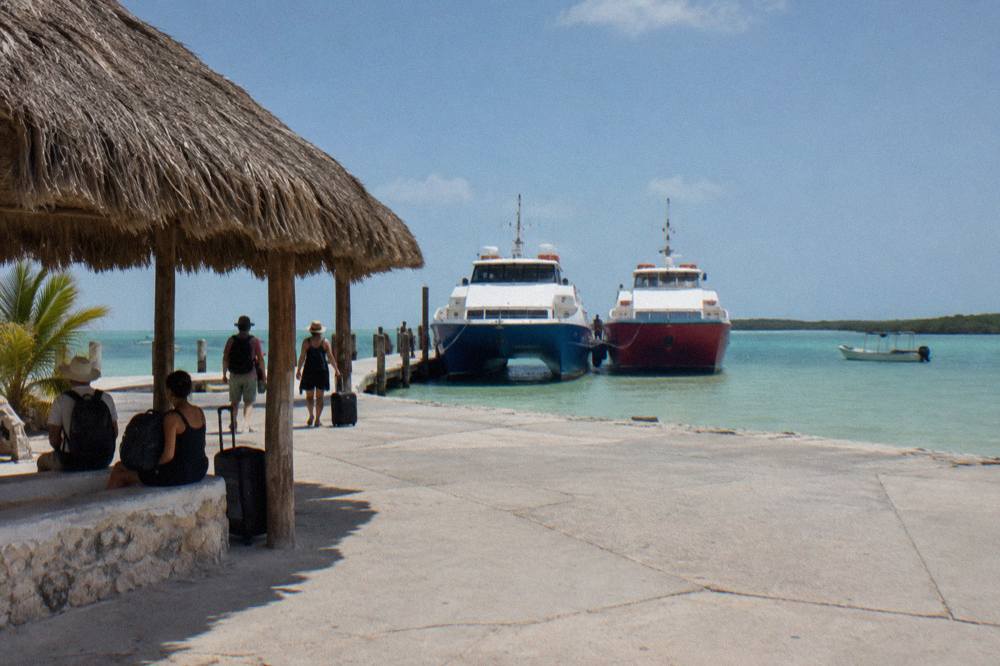
A few practical notes on tickets. The same 2026 ferry guide reports that card payments at the window carry a surcharge of about 50 pesos and that the machines lose signal, so cash is the reliable option. Chiquila has no dependable ATM, and Holbox has only a couple that are often empty, so withdraw pesos in Cancun before you leave. Children under 8 pay about 160 to 170 pesos one way per the same guide.
| Ferry fact | Detail |
|---|---|
| Frequency | About every 30 minutes, alternating operators |
| First departures | About 6:00 a.m. from Chiquila; 5:00 a.m. from Holbox |
| Last departures | About 9:30 p.m. from Chiquila; 8:30 p.m. from Holbox |
| Crossing time | About 25 minutes across the Yalahau Lagoon |
| Adult fare | 330 pesos one way, per a 2026 ferry guide |
| Child fare | About 160 to 170 pesos one way for children under 8 |
| Payment | Cash preferred; cards carry about a 50 peso surcharge |
How Do You Get From Cancun Airport To Chiquila?
By road, the run from Cancun airport to Chiquila takes about 1.75 to 2.5 hours; one 2026 transfer guide puts shared shuttles at roughly 20 to 60 USD per person, private transfers at roughly 220 to 240 USD per vehicle, and the ADO bus combination at about 4 hours total for the lowest fare. Rental cars are also common, since parking in Chiquila costs about 100 pesos a day.
The shuttle is the middle path. Shared services run a handful of departures a day and drop you a short walk from the ferry dock, which spares you the parking question entirely. The trade-off is scheduling: shared shuttles leave at fixed times, and a mid-afternoon flight arrival can mean a long wait for the next departure.
Private transfers cost roughly 220 to 240 USD per vehicle per the same 2026 guide, which looks steep for one person but works out reasonably for a family of four travelling together. You leave when you land, stop where you like, and arrive at the dock without transfers.
The bus is the budget route and a genuinely comfortable one. ADO runs a modern coach from the Cancun terminal to Chiquila, taking about 2.5 hours, and the airport-to-terminal leg adds about an hour, for a total of roughly 4 hours door to dock. The combined bus journey takes about four hours in total. Buses arrive a short walk from the ferry.
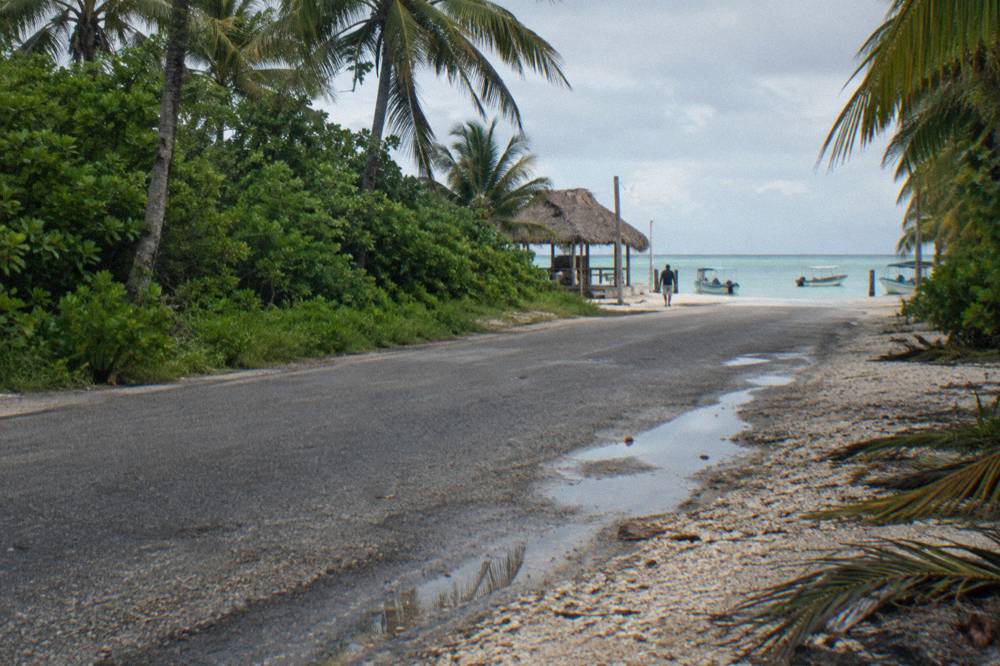
If you drive yourself, guarded private lots cluster near the ferry terminal and the ADO station, charging about 100 pesos a day per a 2026 ferry guide. Pay up front, keep the receipt and note your lot for the return. The final Kantunilkin to Chiquila road segment was rehabilitated in early 2026, which local reporting described as improving access to the port. Shade is often available, and payment is made upfront, so keep the receipt until you collect the car.
| Option | Time (airport to Chiquila) | Cost | Notes |
|---|---|---|---|
| Shared shuttle | About 1.75 to 2.5 hours | Roughly 20 to 60 USD per person | Fixed departure times |
| Private transfer | About 1.75 to 2.5 hours | Roughly 220 to 240 USD per vehicle | Leave on arrival |
| Rental car | About 1.75 to 2.5 hours | Rental plus about 100 pesos a day parking | Guarded lots near the dock |
| ADO bus | About 4 hours total | Roughly 18 to 38 USD | Airport leg plus Chiquila coach |
For travellers whose real goal is the whale shark swim, the timing matters more than the price. Swims leave Holbox early, typically in the 6:30 to 7:30 a.m. window that local operators describe, which almost always means sleeping on the island the night before. Arriving the previous afternoon, by any of these routes, is the standard plan. If an overnight stay before the boat is the goal, Check availability on the all-inclusive swim listing while you book your ferry day.

Is A Cancun Day Trip To Holbox Worth The Journey?
It is a long haul: one-way travel from Cancun to Holbox runs about 3 to 4.5 hours including the drive, ferry and waiting, so a day trip spends 6 to 9 hours in transit for a few hours on the island. It can work, but only as a guided tour that folds the transport, boat and lunch into one booked day rather than a self-drive improvisation.
The arithmetic is unforgiving for independent day trippers. You would drive or ride to Chiquila, park, catch a ferry, and then reverse all of it the same evening, with the last boat leaving Holbox around 8:30 p.m. Travel guides that cover this route regularly conclude that a self-organized day trip is not practical for the time you get. The island rewards slow mornings and staying past sunset, when the bioluminescence season can light up the shallows.
The exception is the organized day trip, where a tour operator absorbs the logistics. These listings run 11 to 15 hours, but they include hotel pickup, the transfer, the ferry or boat crossing, island time, and lunch, so your only job is being in the lobby on time. For a first taste of Holbox from a Cancun base, that trade is reasonable.
On the Cancun side, the 12-hour boat tour with lunch from Cancun or Puerto Morelos starts from $97 per person, plus mandatory environmental and entrance fees, which carries hotel pickup and drop-off, a guide, admissions, the boat tour, five beverages per person on board and lunch. Note that mandatory environmental and entrance fees are paid separately, with the amounts stated on the listing. It rates 4.6 from 133 reviews, a review pool large enough to take seriously.
Travellers coming from Playa del Carmen have a French-language alternative, an 11-hour day trip from $168 per person that runs as an exclusively French-speaking group and covers the boat trip, Cenote Yalahau, Isla Pasion, Bird Island and Punta Mosquito with lunch on the sand. It is one of the few fully French-guided options on the coast.
| Day-trip listing | Departure | Duration | From | Guided languages |
|---|---|---|---|---|
| Holbox Boat Tour with Lunch | Cancun or Puerto Morelos | 12 hours | $97 per person | Spanish, English |
| Holbox One Day Trip | Playa del Carmen | 11 hours | $168 per person | French only |
| Holbox plus Punta Mosquito Trip | Cancun | 12 hours | $174 per person | Spanish, English |
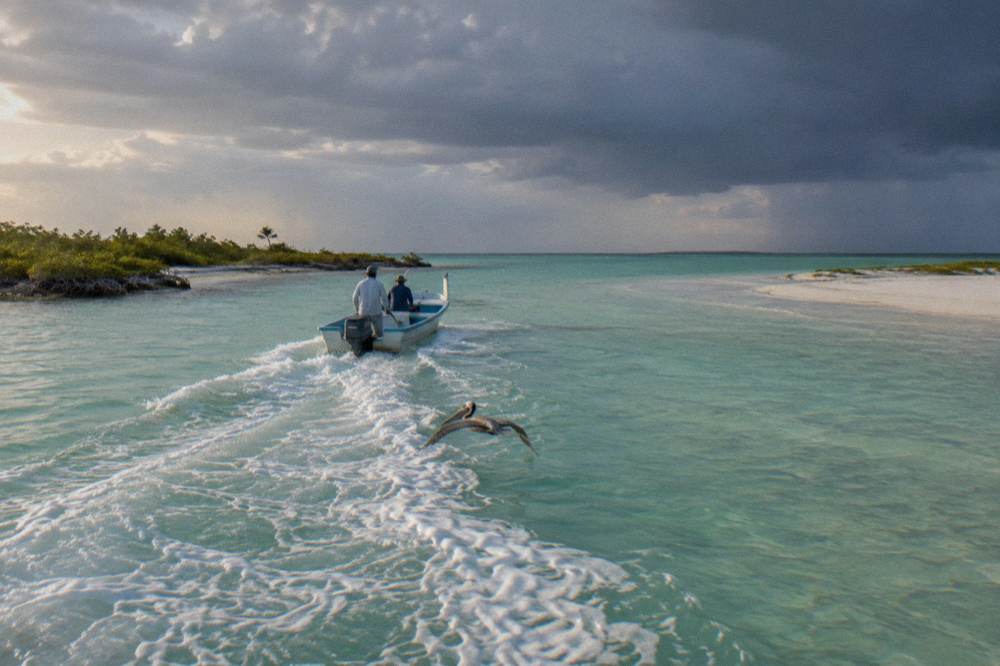
One clarification worth making before you book anything: these island day trips are not whale shark swims. They visit Holbox, its beaches, Bird Island and the Yalahau cenote, and they are excellent at that, but the swim with whale sharks is a separate, seasonal activity. Our article on Holbox whale shark tour combos covers which operators pair the two, and what a whale shark tour in Holbox includes explains the swim day itself.
Can You Fly To Holbox Or Drive On The Island?
No scheduled flights serve Holbox: the small airstrip handles private charters and air taxis only, with charters only and no scheduled service, and no cars are allowed on the island at all, so getting around means walking, cycling or a golf cart at roughly 45 to 75 USD per 24 hours. No bridge or new airport is planned as of 2026.
The airstrip is real but irrelevant to almost everyone. Charter operators fly the roughly 30-minute hop from the Cancun area, and one 2026 routes guide quotes small-aircraft rates from about 849 USD for up to five passengers. Unless your budget is in that territory, the ferry is the way in.
The car ban is absolute and part of the island's character. Vehicles stay in Chiquila, and once you step off the ferry you are in a sand-street town where the widest vehicle is a golf cart. Rental desks along the main streets charge roughly 45 to 75 USD per 24 hours for a standard four-seater per guide estimates, with delivery often available to your hotel. Many visitors never rent one: the town core is compact, the beaches near the centre are walkable, and bicycles cover most of the rest.
Do You Need Cash For The Ferry, Parking And Island Fees?
Yes, plan on pesos. A 2026 ferry guide reports card surcharges of about 50 pesos and unreliable signal at the Chiquila ticket windows, Chiquila parking takes cash at about 100 pesos a day, Holbox's few ATMs frequently run empty, and the Yum Balam access fee on island tours is collected separately.
The cash economy on Holbox is a genuine planning item, not a formality. Local guides report one to three functional ATMs on the island, that they run dry in high season and that they charge fees on top. Small businesses, beach clubs, taxis, golf cart taxis and tips all run on pesos, and many places are cash-only or add a card surcharge. The standard advice from every recent Holbox guide is the same: withdraw in Cancun before you travel.
Fees on tours deserve a specific warning. Several listings in this region add government, dock or protected-area charges on the day rather than in the sticker price, and the listing states the amount. On Holbox tours into the Yum Balam reserve, a July 2026 news report quotes about 230 pesos a visitor, from a cooperative representative, not an official tariff page, and local operators have asked for the rate to be reviewed because other Caribbean protected areas charge less. Budget for an access fee in that neighbourhood and confirm with your operator what is already bundled.
| Cash item | Rough figure | Source basis |
|---|---|---|
| Ferry, adult one way | 330 pesos | A 2026 ferry guide |
| Card surcharge at ferry window | About 50 pesos | Same ferry guide |
| Chiquila parking | About 100 pesos a day | Same ferry guide |
| Yum Balam access | About 230 pesos a visitor | July 2026 news report quoting a cooperative representative |
| Golf cart, 24 hours | Roughly 45 to 75 USD | Guide estimate |
Safety on this route is straightforward. Holbox remains a car-free island with no bridge or airport planned, so the ferry from Chiquilá is the only way across, and the standard precautions, keep valuables with you and agree taxi prices in advance, cover it. For official guidance, the US State Department's Mexico travel advisory page is the reference to check before any international trip.
How Does Getting To Holbox Connect To The Whale Shark Swim?
The whale shark swim departs from Holbox itself, so your transport plan ends the evening before: arrive on the island, sleep there, and meet your boat at the dock in the morning. The 2026 season ran 15 May to 17 September under the SEMARNAT notice, swims are closed now, and next season is expected to open around mid-May, with the official notice typically published near May.
That timing structure is why this logistics guide exists. Shared whale shark swims from Holbox run $178 to $210 per person, with a private option from $1,246 per group, and all depart from Holbox docks, most early in the morning. You cannot do the swim as a spur-of-the-moment stop on a Cancun day out; you need to be on the island, which means the ferry route described above is step one of the booking.
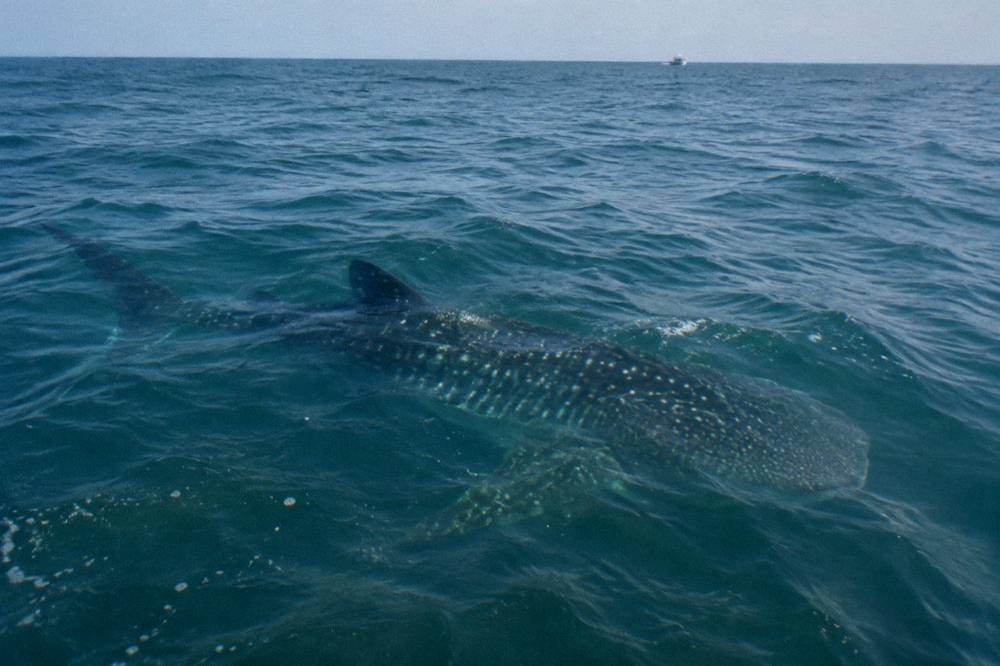
The rules on the water come from NOM-171-SEMARNAT-2018, the federal standard for whale shark observation and swimming: boats stay 30 minutes maximum around one shark, other boats wait 50 metres away, swimmers keep set distances from head and tail, and touching, flash and selfie sticks are prohibited. The full standard is published in the Official Gazette, and the 2026 season notice is on the SEMARNAT site as a PDF. Our plain-language summary lives in the guide to whale shark swim rules in Mexico.
Among the Holbox departures, one listing pairs the journey logic neatly: the all-inclusive search and swim from $209 per person, 4.9 from 267 reviews, a seven-hour trip with breakfast, ceviche, gear and a real-time satellite tracker on board, run with English, Spanish and French guides. For a fuller comparison of every departure and price, the homepage comparison on Holbox Island Whale Shark Tours breaks down the listings side by side.
Once the swim is booked, the rest of the island fills the gaps. The three-islands boat tour from $39 per person, 4.5 from 217 reviews, covers Bird Island, Isla Pasion and the Yalahau cenote spring in about three and a half hours with hotel pickup within Holbox, and it is the natural second day on the water. Details are in things to do in Holbox.
Common Questions About Getting To Holbox From Cancun
How long does it take to get from Cancun to Holbox?
About 3 to 4.5 hours one way in total: 1.75 to 2.5 hours by road to Chiquila, the ferry crossing of about 25 minutes, plus waiting time. The ADO bus combination takes about 4 hours.
How much is the ferry from Chiquila to Holbox?
A 2026 ferry guide lists the adult one-way fare at 330 pesos, with children under 8 at about 160 to 170 pesos. Cash is preferred; cards carry about a 50 peso surcharge.
Where do you park for the Holbox ferry?
Guarded private lots near the Chiquila ferry terminal and ADO station charge about 100 pesos a day. Pay up front and keep the receipt for the return.
Can you do a day trip to Holbox from Cancun?
You can, but it is a long haul: about 3 to 4.5 hours each way. Guided day-trip listings of 11 to 12 hours that include hotel pickup, the crossing and lunch are the practical way to do it.
Are there ATMs in Holbox?
A few exist but frequently run out of cash and charge fees, local guides report. Withdraw pesos in Cancun before you travel; many island businesses are cash-only.
Do you need a car on Holbox?
No. The island is car-free. You get around on foot, by bicycle or by golf cart, which rents for roughly 45 to 75 USD per 24 hours.