Things To Do In Holbox Besides Swimming With Whale Sharks
Whale sharks draw the crowds in summer, but Holbox fills the other days just as easily: boat trips to Bird Island and Passion Island, night kayaks over glowing water, mangrove paddles at sunrise, and a fishing and ceviche run to Cabo Catoche.
Short answer
Holbox activities beyond the whale shark swim include a three-island boat tour from $39 per person, sunrise mangrove kayaking from $46, bioluminescence kayaking from $47, and a Cabo Catoche fishing and ceviche trip from $92. The whale shark season itself runs roughly mid-May to mid-September, so most visitors pair one swim day with several island tours.
The whale shark swim is Holbox's summer headline, and it sells the island short. The 2026 season closed on 17 September under the SEMARNAT notice, and the next one is expected, as in past years, to open around mid-May, which leaves most of the calendar to fill with everything else the island does well. Holbox is car-free, ringed by shallow water, and sits inside the Yum Balam protected area, a combination that produces an unusual activity list: boat trips past nesting birds, kayaks over bioluminescent water at night, handline fishing at a remote cape, and long slow beaches you walk rather than drive to.
This guide covers the non-swim side of a Holbox trip in full, then shows where the whale shark day fits once the season reopens. Prices below come from the island tour listings, printed exactly as listed, and island conditions come from local reporting through October 2026.
What Is There To Do In Holbox Besides The Whale Shark Swim?
Holbox packs a full week without a single shark: a three-island boat tour from $39 per person, bioluminescence kayaking from $47, sunrise mangrove paddles from $46, Cabo Catoche fishing from $92, and a village of sand streets best explored on foot or by golf cart, which a 2026 guide estimates at roughly 45 to 75 USD per 24 hours. Add the summer whale shark swim and the island barely has a dull day.
The shape of the island drives the activity list. Holbox faces the Gulf rather than the open Caribbean, so its water stays shallow and mostly calm, and the sand slopes out so gently that swimming is possible almost everywhere along the town beach. Behind the island lie the lagoons and mangroves of the Yum Balam reserve, where operators report flamingos and nesting birds year round, with numbers varying by season and no sighting promised on any given morning. In front of it, a short boat ride away, sit Bird Island, Passion Island and the freshwater spring at Yalahau, the three stops that make up the classic island tour.
What the island does not have matters too. There are no private cars, no scheduled flights onto its small airstrip, and no bridge to the mainland; everything arrives by the Chiquila ferry or by boat. That keeps the pace slow and the activity list compact: this is a place of half-day tours, long meals, and evenings either on the beach or on the water.
Which Boat Tour Shows You The Most Of Isla Holbox In One Morning?
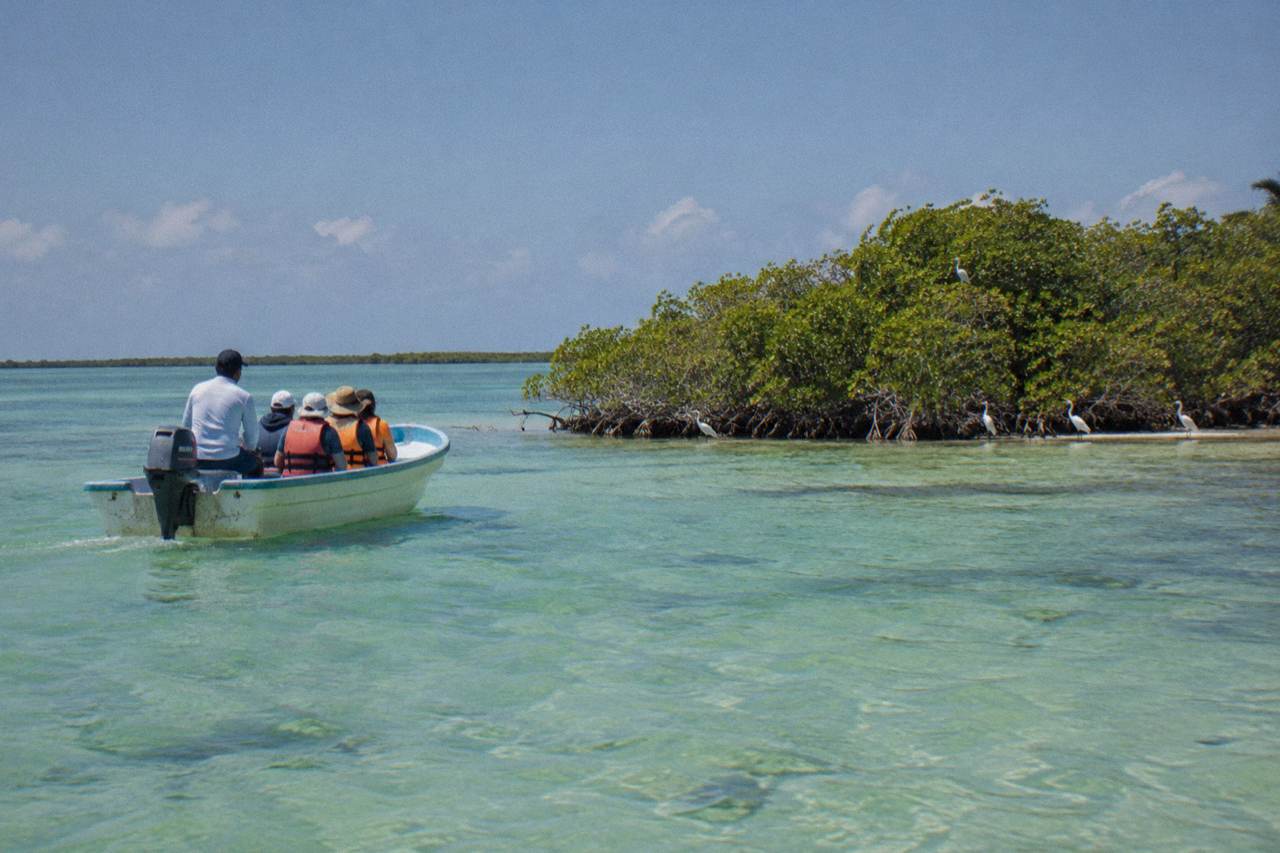
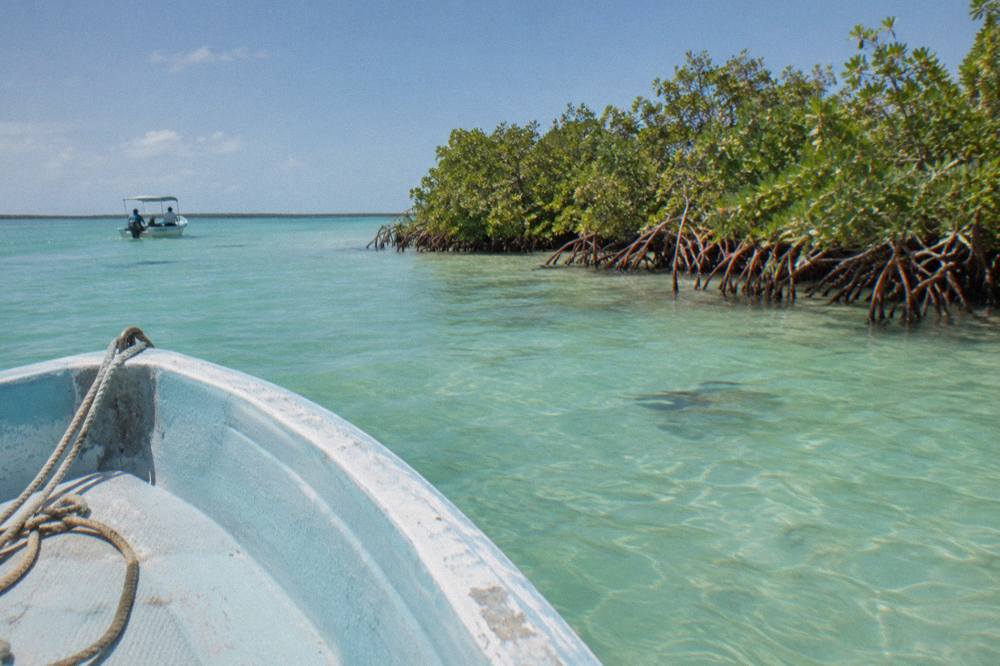
The three-island boat tour is the single most efficient half day on Holbox: it pairs Bird Island, Passion Island and the Yalahau cenote in about three and a half hours, from $39 per person, with hotel pickup in Holbox included on the listing. One morning, three of the island's signature sights, back on the beach before lunch.
The three-island boat tour with transportation is the closest thing Holbox has to a standard first excursion, and it earns that place. Bird Island is a nesting rookery in the reserve, viewed from the boat rather than landed on. Passion Island is a sandbar-island stretch of shallow water and white sand that appears and reshapes with the seasons. Yalahau is a freshwater spring set in the mangroves, historically a stop for fishermen and now a swimming hole reached by walkway. The listing covers transport from your hotel, a bilingual guide, a life vest and life insurance; it does not include the entrance fee at Yalahau, which is paid separately, and drop-off back at the hotel is not included.
The listing rates 4.5 from 217 reviews, from $39 per person, and the boat carries a stated maximum of 30 travelers. Boats leave from the whale shark dock on Paseo Carey, not the ferry dock, a detail worth knowing because half the confusion on any Holbox morning is people standing on the wrong pier. The listing is not tied to the whale shark season, a plus if your trip falls outside it.
A flexible alternative exists on a second three-island listing, from $38 per person with timing anywhere from 3 hours to a full day, though that one has no hotel pickup; its Yum Balam and Yalahau access bracelets are paid separately and the listing states the amounts. Between the two, the pickup-included version is the easier first booking for anyone staying anywhere in town. Our Holbox travel guide covers the wider island geography if you want the stops in context.
Those three are the natural first bookings for a first visit: one boat morning, one dawn paddle, one full-day fishing run to the cape. Each covers a different corner of the island, and none depends on whale shark season being open.
Can You See Flamingos And Bird Life Around Holbox?
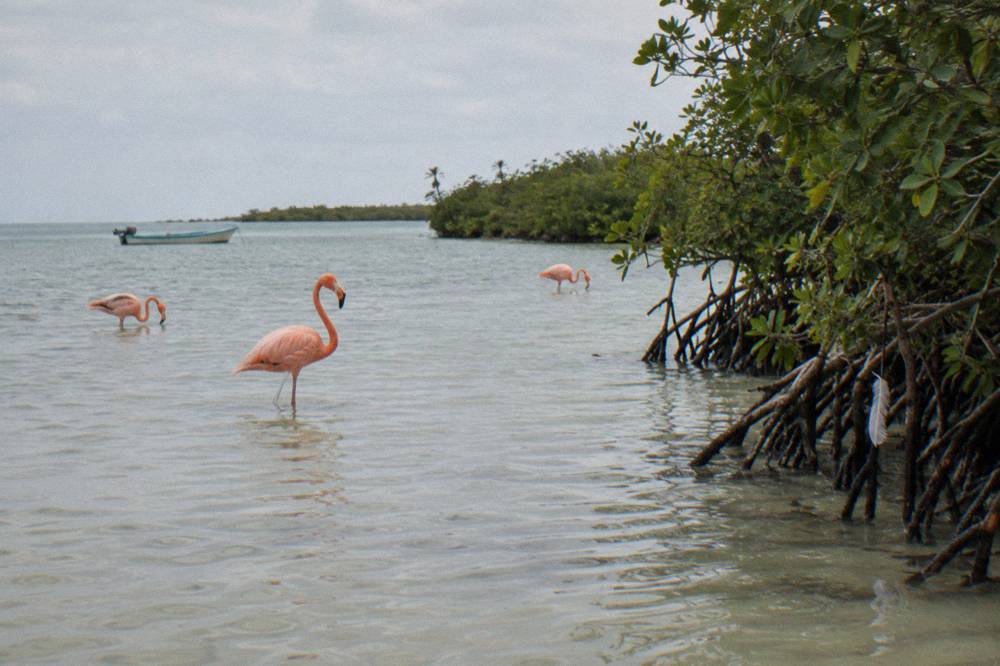
Yes, flamingos live year round in the Yum Balam reserve around Holbox, most reliably spotted from the water near the Punta Mosquito sandbar and around Bird Island, with numbers varying seasonally and no sighting promised. The three-island boat tour and the kayak routes pass the main viewing areas; there is no land-based viewpoint that works as well.
Flamingos in Holbox are wild birds doing what wild birds do, which means they feed in the shallow lagoons when the conditions suit them and move when they do not. Local operators describe the Punta Mosquito sandbar, the long spit east of town, and the lagoon channels behind the island as the reliable areas, and every boat and kayak route in this article passes at least one of them. Bird Island adds the rookery side of the reserve: frigatebirds, herons, cormorants and terns nesting in numbers that make the stop worth the detour even on a morning the flamingos stay distant.
Two points shape expectations. First, no operator promises a flamingo sighting, and any that did would be selling something the reserve does not offer; the correct framing is that the birds are resident and commonly reported, and mornings with calm water improve your odds. Second, distance rules apply inside the protected area, and boats keep off the sandbars and nesting islands, so bring binoculars or a camera with reach rather than expecting to walk up to the birds.
The timing interacts with the whale shark calendar in a useful way: flamingos and nesting birds are present in every month, so a September-to-May trip with no swim possible still has a full wildlife day on the water. Our month-by-month breakdown in the best time to visit Holbox guide pairs the bird life with the weather picture.
When Is The Best Time To See Bioluminescence In Holbox?
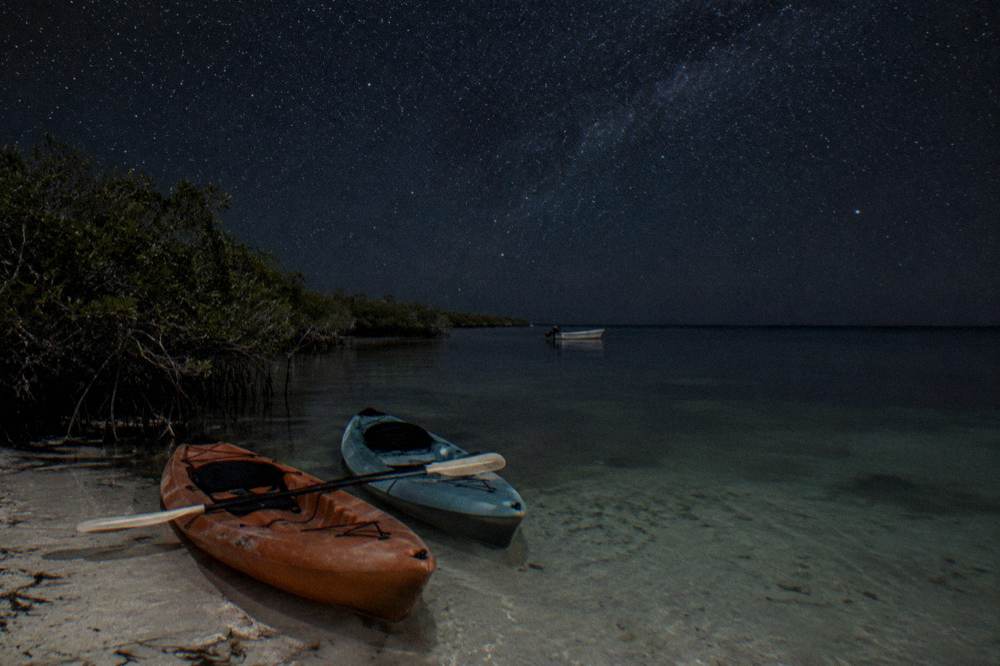
Bioluminescence in Holbox is commonly described as a May-to-October phenomenon, strongest in the warmer months and best on dark nights close to the new moon, when the glow has no moonlight to compete with. It is never guaranteed; calm water and plankton concentrations decide each night, and tours run when conditions look right.
The glow comes from plankton that lights up when the water is disturbed, and Holbox's shallow bays, particularly around Punta Cocos and Punta Mosquito, hold it well enough that kayak tours are built around it. Operators schedule around the lunar calendar precisely because a full moon washes the effect out; if you are picking dates for a bioluminescence trip, the week either side of a new moon in July, August or September is the classic window, though the season stretches across the warmer half of the year. A bright night in June can outperform a moonless one in a windy October, because wind and rain dilute the blooms.
Two listings carry the experience. The bioluminescence kayak with stargazing runs 2 hours from $49 per person, rated 4.6 from 360 reviews, with one-way transfer from your hotel, kayaking gear, insurance, a dry bag per couple and drop-off at your hotel or the city center. A shorter kayak version runs 1 hour 45 minutes from $47, rated 4.6 from 197 reviews, with transport within Holbox, gear, fees and bottled water included. Both are evening activities, which makes them the natural companion to a day spent on the water: swim with whale sharks in the morning, eat, sleep a little, then paddle out over glowing water at night.
The overlaps matter. Bioluminescence season and whale shark season run together from mid-May to mid-September, so a July or August week can legitimately stack a swim morning, a three-island boat morning and a bioluminescence night into consecutive days. The dedicated Holbox bioluminescence guide covers the moon-calendar logic in detail.
Booking the evening paddle before you arrive is worth doing in peak weeks, when the moon window compresses the good nights into a handful of dates and the small boats fill.
What Does A Sunrise Mangrove Kayak Tour In Holbox Include?
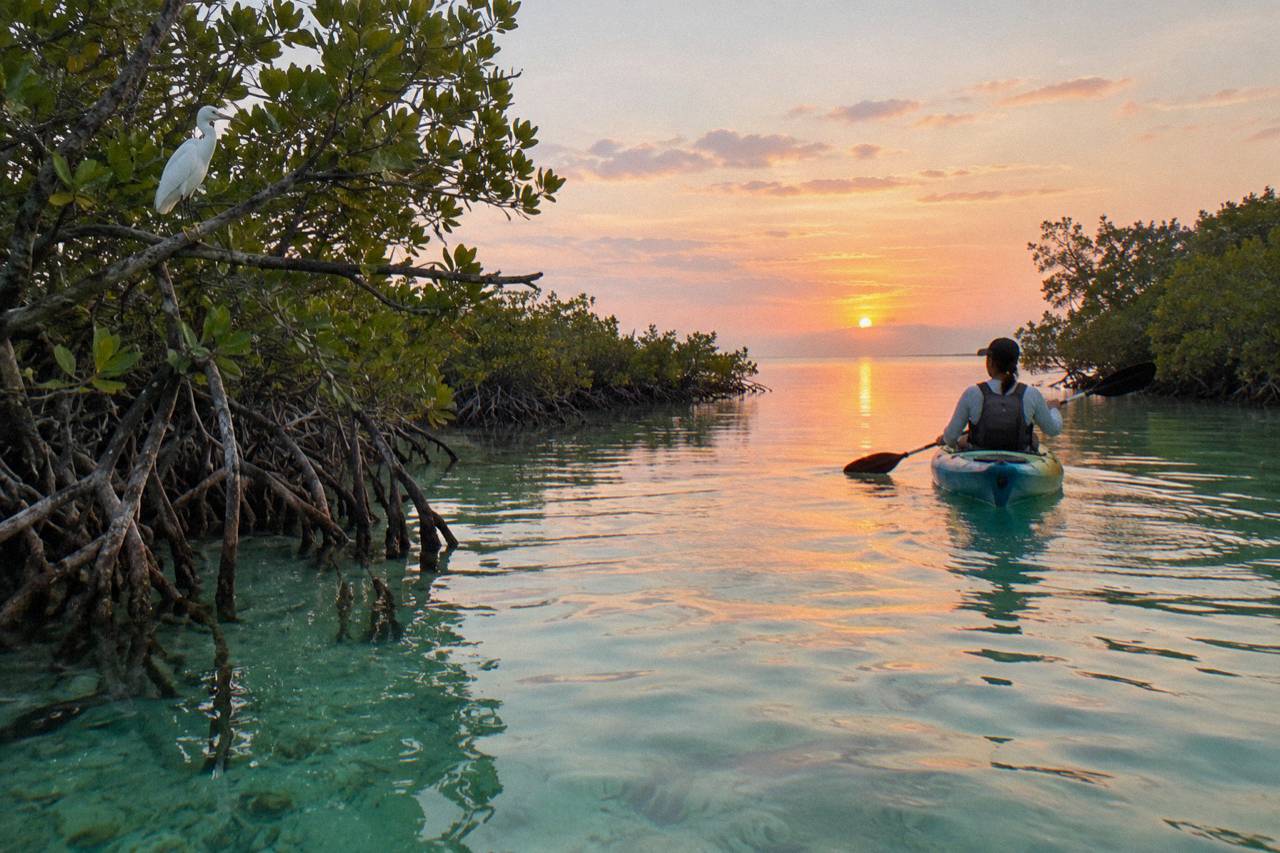
A sunrise mangrove kayak tour in Holbox runs about 3 hours from $46 to $47 per person, with hotel pickup on the island, kayaking gear, life jackets, water and fruit included. Paddlers move through the reserve's mangrove channels at first light, when the water is calmest and bird activity is at its peak.
Two operators run the format. The sunrise and mangrove kayak tour from Eco Adventure Holbox runs 3 to 3.5 hours from $46 per person, rated 4.9 from 174 reviews, with pickup from your hotel, water, fruit, a dry bag per couple, life jackets and drop-off downtown; guides work in English, Spanish and French. The Kayak Mangroves Sunrise Experience from Kayaking Holbox runs 3 hours from $47 per person, rated 4.8 from 244 reviews, with transport within Holbox, water and fruit, entrance to the reserve, and insurance covered; drop-off to the center is not included. Both list free cancellation.
The appeal is the hour. Sunrise on the Yum Balam lagoons gives you glass water, low boat traffic, and the reserve's birds at their most active, all before the heat builds. It is also the gentlest introduction to kayaking on the island: the channels are sheltered, the pace is slow, and no experience is expected. Neither listing includes breakfast, so eat before pickup or plan the meal after.
If the budget only stretches to one pre-booked island tour, the three-island boat run is the one most first-time visitors anchor their week around, and free cancellation is listed on it.
Is The Cabo Catoche Fishing And Ceviche Trip From Holbox Worth It?
The Cabo Catoche trip is Holbox's best full day beyond the swim: 6 hours from $92 per person with hotel pickup, traditional Mayan handline fishing, a Cocalitos beach stop and the Santa Paula mangroves, and ceviche made from the catch, plus drinks and dock fees included. For anglers and snorkelers it fills the role the whale shark day fills in season.
Cabo Catoche is the cape where the island's coast turns toward the open Gulf, and the water around it mixes clear current with reef and sand bottom. The listing from Xtreme Holbox includes hotel pickup within Holbox, the 6-hour boat tour, a local bilingual guide, the handline fishing experience, fresh ceviche prepared from the day's catch, bottled water, soft drinks, life jackets, dock fees and fishing equipment with bait; gratuities and personal expenses are not included. The operator also runs an eco tour that reaches the cape, from $190 per person, rated 4.6 from 57 reviews, which pairs a whale shark swim with a Cabo Catoche snorkeling stop, a virgin beach visit and the Santa Paula River when the season is open.
Handline fishing here is not sportfishing theater. It is the Mayan yo-yo technique the local fleet has always used, and the catch genuinely becomes lunch. Guests who would rather not fish can snorkel while others work the lines; the listing does not state a maximum group size, so ask when booking if a quiet boat matters to you.
The listing carries too few reviews for a star claim, so treat the value case as structural rather than statistical: at 6 hours with pickup, gear, dock fees and a fresh-caught meal included, it is priced close to half the whale shark swim while using the same docks and the same waters.
How Much Do The Island Tours Around Holbox Cost?
Island tours on Holbox run from $38 to $92 per person plus one private fishing listing from $362 per group for up to 6, with the three-island boat tours at the bottom of the scale and the 6-hour Cabo Catoche trip at the top. Every listing below departs from Holbox itself, so no ferry crossings or transfers are involved.
| Tour | Price (USD) | Duration | Hotel pickup |
|---|---|---|---|
| Punta Mosquitos, Yalahau and Passion Island boat tour | from $38 per person | Flexible, 3 hours to 1 day | Not listed |
| Three-island boat tour with transportation | from $39 per person | 3 hours 30 minutes | Listed |
| Bioluminescence kayak and stargazing | from $49 per person | 2 hours | Listed |
| Bioluminescence kayak tour | from $47 per person | 1 hour 45 minutes | Listed |
| Sunrise mangrove kayak (Eco Adventure) | from $46 per person | 3 to 3.5 hours | Listed |
| Kayak Mangroves Sunrise Experience | from $47 per person | 3 hours | Listed |
| Cabo Catoche boat tour with fishing and ceviche | from $92 per person | 6 hours | Listed |
| Private fishing tour (up to 6) | from $362 per group (up to 6) | 4 hours | Not listed |
Read the pickup column carefully before booking, because Holbox's geography makes it matter more than it would elsewhere. The island is small enough that "no pickup listed" usually means a short golf-cart or walking hop to the whale shark dock, but on a 6 a.m. kayak departure that hop is a decision, not a detail. Where a listing's exclusions name a Yum Balam or Yalahau access fee, that fee is paid separately on the day and the listing states the amount; a July 2026 news report quotes about 230 pesos a visitor for Yum Balam access, from a cooperative representative, not an official tariff page.
Budget context helps too. Stacking the three-island boat tour, a sunrise kayak and one bioluminescence night totals less than the price of a single whale shark swim from the island, with the shared Holbox swim departures starting at from $178 per person. The cost guide for Holbox whale shark tours breaks the swim side of the ledger down line by line.

How Do You Get Around Holbox Without Cars?
Holbox has no private or rental cars at all; you get around on foot, by bicycle, or by golf cart, which a 2026 guide estimates at roughly 45 to 75 USD per 24 hours for a standard 4-seater. The village is walkable end to end, so most visitors rent a cart for only part of their stay, or skip it entirely.
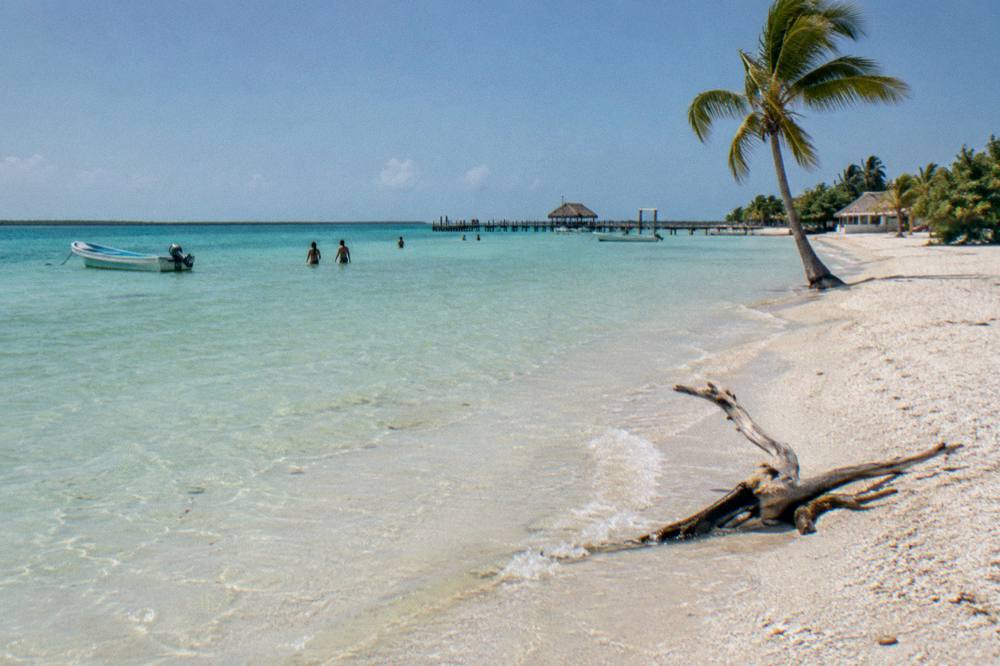
The car-free rule is absolute and part of the island's appeal. The town grid is sand streets, the beach runs the full length of the village, and everything in the center is within a 15 minute walk of everything else. Golf carts fill the gaps: the longer run out toward Punta Mosquito, moving luggage, evenings at Punta Cocos, and getting to 6 a.m. kayak pickups on the far side of town. Hourly golf cart rental runs about $12 to $35 USD, half-day rates come in lower, deposits are required, and delivery is often available.
Cash is the practical constraint that shapes all of this. Holbox has only a couple of ATMs, they frequently run empty in high season, and cards can carry a surcharge or fail on weak signal. Local reporting on island practicalities in 2026 repeats the same advice from every direction: arrive with pesos from the mainland, keep the ferry fare and day-one expenses in cash, and treat cards as backup. Parking, if you drove to Chiquila, runs about 100 pesos a day in guarded lots; the ferry itself is about every 30 minutes from 6:00 a.m. to 9:30 p.m., with the crossing about 25 minutes, as a 2026 ferry guide lists.
The full logistics, including the Cancun airport to Chiquila transfer options, sit in the how to get to Holbox from Cancun guide.
Where Does The Whale Shark Day Fit Into A Holbox Week?
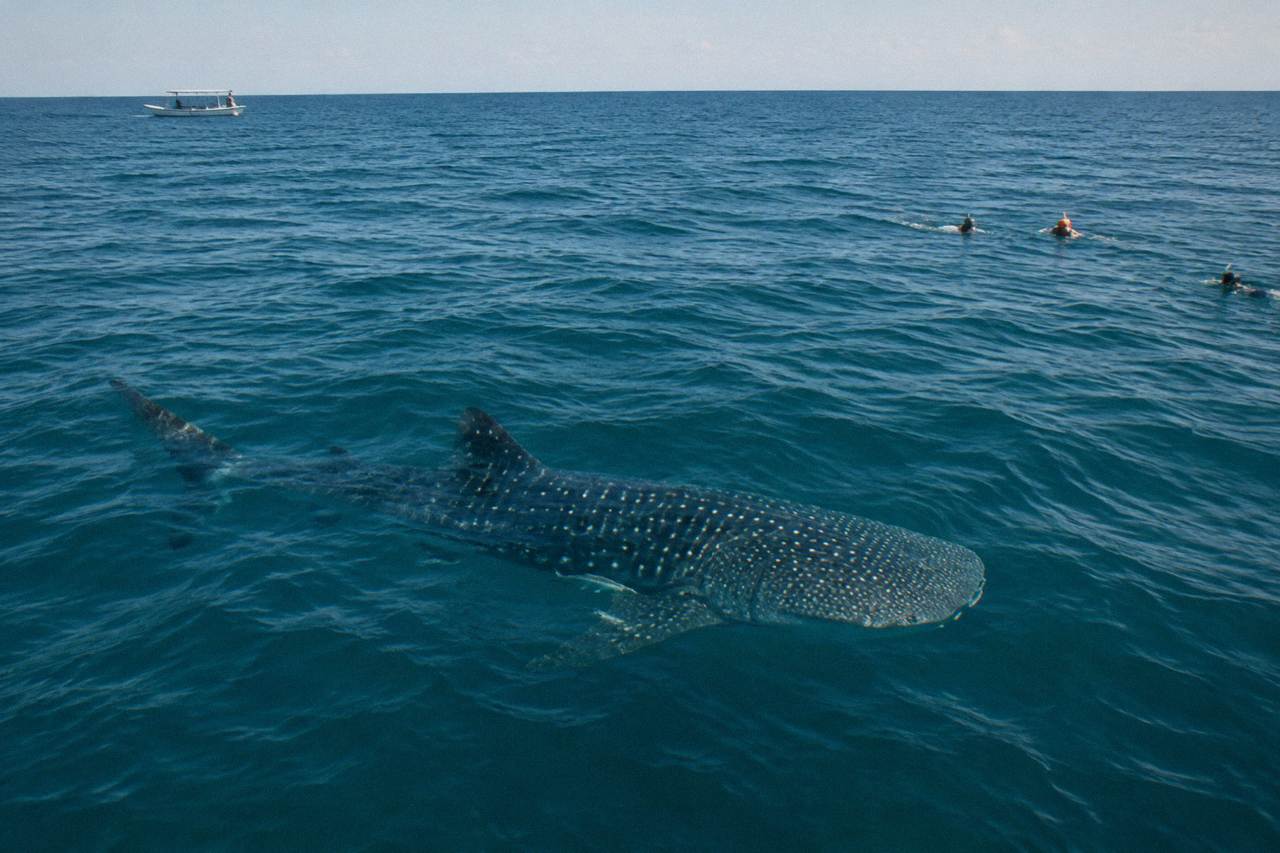
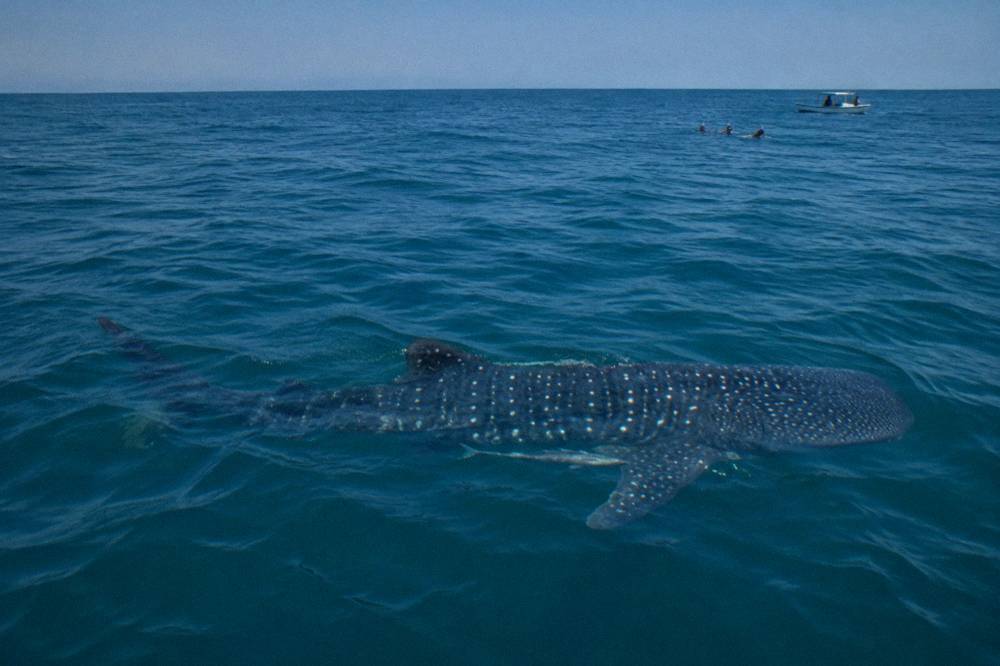
The whale shark swim is the summer headline and slots naturally into a Holbox week between mid-May and mid-September: book it for early in your stay so weather can move it, and fill the remaining days with the boat tour, the kayak and the bioluminescence night. Holbox departures run from $178 to $210 per person shared, or from $1,246 per group private.
The 2026 season ran 15 May to 17 September under the SEMARNAT notice, and the next notice has not been published; prior years' notices appeared around May, so plan on mid-May as the typical opening and most operators running roughly from the start of June to mid-September. July and August are the peak months, when the aggregations off Holbox are at their strongest and bookings tighten. Mid-season reporting described 15 to 20 boats a day leaving Holbox, around half the authorized capacity, under a 2026 allocation of 146 CONANP permits across the region, 48 of them for Holbox.
| Holbox whale shark departure | Price (USD) | Duration | Rating and reviews |
|---|---|---|---|
| Swim and snorkeling adventure (VIP Holbox) | from $178 per person | 6 hours | 4.6 from 243 reviews |
| Group adventure (Holbox Whale Shark Tours) | from $184 per person | 7 hours | 4.3 from 86 reviews |
| Eco tour with lunch (Xtreme Holbox) | from $190 per person | 7 hours | 4.6 from 57 reviews |
| All-inclusive search and swim (VIP Holbox) | from $209 per person | 7 hours | 4.9 from 267 reviews |
| Hotel pickup tour (Holtours) | from $210 per person | 6 hours | 4.5 from 47 reviews |
| Private swim (VIP Holbox) | from $1,246 per group | 7 hours | 4.5 from 27 reviews |
Sightings are never promised on any departure, in any month; what the rules do promise is structure. The federal standard limits each boat to 30 minutes around one shark, keeps other boats 50 metres away, and puts a specialised guide in the water with a small group of swimmers; the exact swimmer limit is set by the protected-area management programme and operators differ. The full rulebook is in the swimming with whale sharks rules guide.
The sequencing advice is simple and worth following. Put the swim on day two or three of your week, not the last morning, because a blown-out departure can usually be rebooked a day later if you have slack. Give the day everything it takes: the shared Holbox tours run 6 to 7 hours, leave in the early morning, and include breakfast and ceviche on most listings, so you will not need dinner plans. Then let the quieter island tours carry the rest of the week, including the shoulder months when the sharks are gone and Holbox keeps working anyway.
What Should A Five-Day Holbox Itinerary Look Like?
A balanced five-day Holbox itinerary pairs one whale shark morning, one three-island boat tour, one sunrise kayak, one bioluminescence night and one slow beach day, with the Cabo Catoche trip swapped in for anglers. The whale shark swim alone starts at from $178 per person, with the island tours layered around it from $38 to $92 each. If you'd rather stack the whale shark morning with the island boat tour and a bioluminescence kayak night in a single package, our guide to Holbox whale shark tour combos walks through each add-on, what it covers and how long it runs.
| Day | Activity | Rough timing |
|---|---|---|
| 1 | Arrive, ferry from Chiquila, walk the village and beach | Afternoon |
| 2 | Whale shark swim (in season) or free beach day | 6 to 7 hours, morning |
| 3 | Three-island boat tour: Bird Island, Passion Island, Yalahau | 3.5 hours, morning |
| 4 | Sunrise mangrove kayak, then siesta and Punta Cocos sunset | 3 hours, dawn |
| 5 | Cabo Catoche fishing and ceviche, or a lazy final beach day | 6 hours or free |
Slot the bioluminescence kayak onto whichever evening falls nearest the new moon, and hold one afternoon deliberately empty; unscheduled hours on the sand need no booking and no guide, and they fit easily between the activities listed above. Holbox Island Whale Shark Tours exists because the swim draws people here, but the island is what makes them extend the stay, and the mix above is the mix returning visitors describe: one big day on the water, several small ones, and a lot of beach in between.
The whale shark season interaction with this itinerary is the reason to time your dates deliberately. A July or August week can run the full list; a November week drops the swim and the bioluminescence odds but keeps the boat tour, the kayak, the fishing and the birds. The seasonal detail, month by month with sea temperatures, sits in the Holbox month-by-month season guide.
Common Questions About Things To Do In Holbox
What is there to do in Holbox besides whale sharks?
The core list is a three-island boat tour from $39 per person, bioluminescence kayaking from $47, sunrise mangrove kayaking from $46, a Cabo Catoche fishing and ceviche trip from $92, plus beaches, flamingo viewing from the water and the walkable village itself.
Can you see flamingos on Holbox?
Yes, flamingos are resident year round in the Yum Balam reserve, most commonly reported near the Punta Mosquito sandbar and around Bird Island. Sightings vary by season and conditions, and no tour promises them.
What is the best month for bioluminescence in Holbox?
The phenomenon is commonly described as May to October, with the strongest glow in the warmest months. Nights closest to the new moon give the darkest skies; wind and rain can wash out any given night, so nothing is guaranteed.
Do you need a golf cart on Holbox?
Usually not for a short stay. The village is walkable end to end, and a 2026 guide estimates carts at roughly 45 to 75 USD per 24 hours, so many visitors rent one for a single day or rely on hotel transfers listed on their tours.
How many days do you need in Holbox?
Five days covers a whale shark swim, the three-island boat tour, a sunrise kayak, a bioluminescence night and a beach day without rushing. Four days works in the off season, when the swim is not available.
Is Holbox worth visiting outside whale shark season?
Yes. The boat tours, kayaking, fishing, flamingos, bird life and beaches run year round, and the island is quietest between October and May. Only the whale shark swim is season-bound, typically mid-May to mid-September.