7 hours
★ 4.3 · 86 reviews · From $184
Whale shark swims ended for 2026 on 17 September. The 2027 season dates have not been announced, so open calendars may stay blank for now.
Check availability →Mexico is the rare country where you can swim with whale sharks in almost any month of the year, but only if you pick the right coast. The Caribbean window around Holbox runs mid-May to mid-September; Baja California Sur covers the rest of the year. Here is how the calendar actually works, and which single month inside the Holbox season gives you the best day on the water.
Short answer
The official Quintana Roo season ran 15 May to 17 September 2026, with July and August the peak months. On the Baja side, La Paz runs roughly October to April. Inside the Holbox window, July and August offer the strongest reported aggregations, while June and early September are described by operators as quieter on boats. Next season typically opens from mid-May.
Whale sharks gather in Mexican waters in two separate windows, on two opposite coasts, and mixing them up is the single most common planning mistake travellers make. On the Caribbean side, the season around Holbox, Isla Mujeres and Cancun is a summer affair, set by a federal notice under NOM-171 that fixes exact open and close dates each year. On the Pacific side, Baja California Sur flips that calendar almost perfectly: La Paz fills with whale sharks from autumn through spring, when the Caribbean season is closed.
The 2026 Caribbean season ran 15 May to 17 September and is now over. If you are reading this in late October, you are planning for next season, which typically opens from mid-May when the federal notice is published, and prior-year notices have appeared around May. This guide lays out the full Mexican calendar, then zooms into the Holbox window month by month, because choosing your month is really choosing which tour, which departure point and which coast you book.
Mexico has two whale shark seasons that together cover most of the year: Quintana Roo, covering Holbox, Isla Mujeres and Cancun, opens in mid-May and closes in mid-September, while Baja California Sur around La Paz runs roughly October to April. The official Quintana Roo dates change each year by federal notice; the 2026 season ran 15 May to 17 September. Peak months on the Caribbean side are July and August. Whichever window you pick, the no-touch rule applies every day of every season, and why touching a whale shark is illegal explains the federal reasoning behind that ban.
The Caribbean season is not a convention or an operator habit. It is set by SEMARNAT, the environment ministry, through an annual notice issued under the federal standard NOM-171-SEMARNAT-2018, which regulates whale shark observation and swimming nationwide. The 2026 notice fixed the season at 15 May to 17 September for the Yum Balam reserve, the Whale Shark Biosphere Reserve and the Caribe Mexicano Biosphere Reserve, the three protected areas where the swims happen.
That leaves a gap of barely a month, late September into October, when neither coast is in its prime. It also means a traveller with flexible dates can, in theory, chase whale sharks across Mexico twice in one year. In practice most visitors pick one coast, and the choice comes down to when your trip falls. Summer trip, Caribbean coast. Winter trip, Baja. From here on, the focus stays on the Caribbean side, where the whale shark departures run, with a short pointer to La Paz at the end.
The shape of the two windows side by side makes the planning logic obvious:
| Period | Quintana Roo (Holbox, Isla Mujeres, Cancun) | Baja California Sur (La Paz) |
|---|---|---|
| January to April | Closed | Peak season, roughly October to April |
| May | Opens mid-May, numbers building | Season winding down |
| June to August | Open, July and August peak | Off season |
| September | Open to the 17th, numbers fading | Shoulder into opening |
| October to December | Closed | Main season running |
Boats, permits and daily operations are managed inside the season window. In 2026, CONANP authorized 146 permits across the region, split 92 for Isla Mujeres, 48 for Holbox and 6 for Chiquila, across 14 cooperatives, per a July 2026 news report quoting the tourism cooperatives. That cap shapes how busy the water feels, which matters more for your month choice than any other single factor after the dates themselves.
The official 2026 dates for the Holbox and Yum Balam swim were 15 May to 17 September, published in the SEMARNAT notice under NOM-171. Most operators run a practical window of roughly 1 June to mid-September. The 2027 dates are not announced yet; prior notices have appeared around May, so swims are best planned as typically opening from mid-May.
The distinction between the official window and the operator window matters for booking. The federal notice opens the season on paper in mid-May, but aggregations build gradually, and most Holbox operators start their reliable departures in early June. A mid-May booking is legal and available, but it is an early-season bet: operators describe the first weeks as quieter, with numbers still building, and fewer boats on the water.
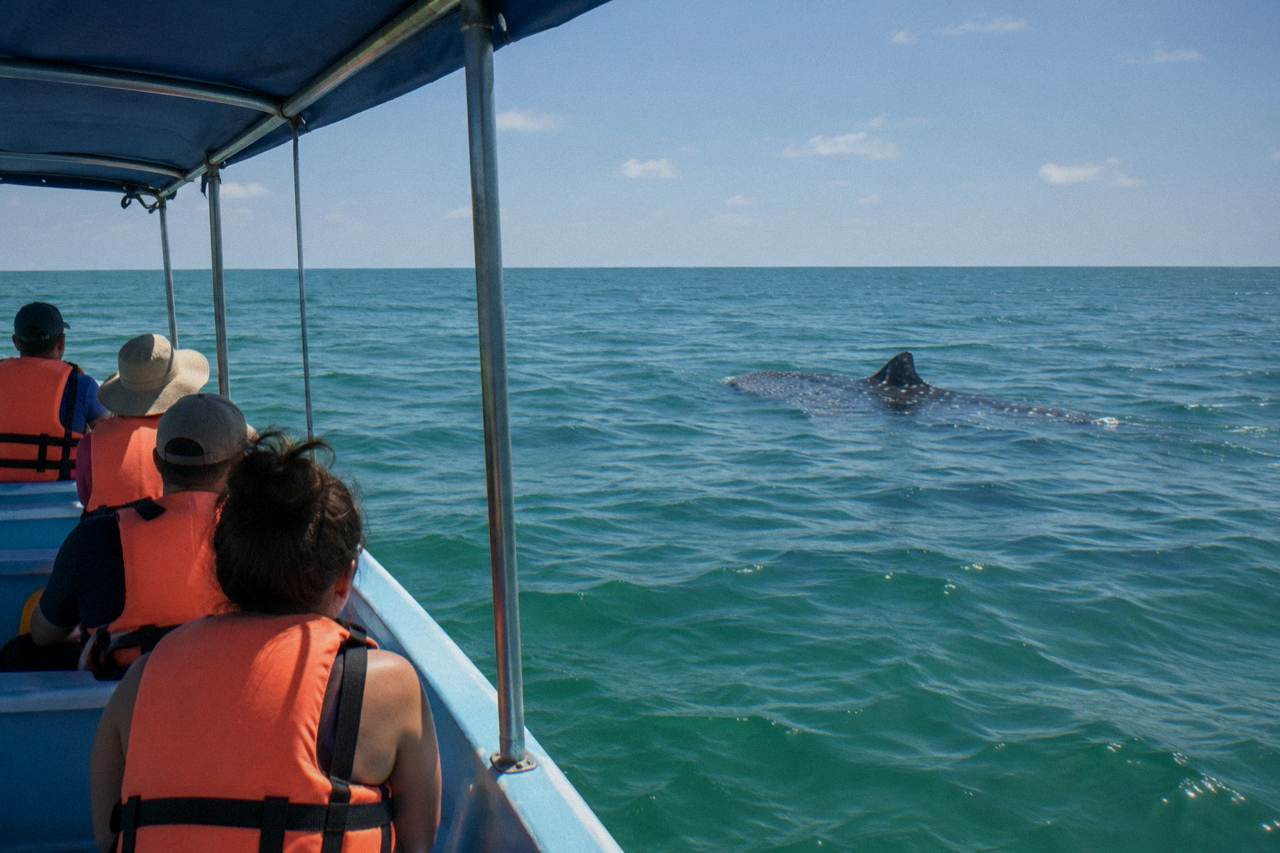
Holbox sits inside the Yum Balam flora and fauna protection area, and the island's boats head offshore to the summer feeding area, the shared summer feeding ground that also draws boats from Isla Mujeres and Cancun. The rules are identical across the whole zone because they come from one federal standard: boats up to 11 metres, a 30-minute maximum per boat around one shark, other boats waiting 50 metres away, biodegradable sunscreen only, and no touching or flash photography. The full NOM-171 text is published in the Diario Oficial de la Federación if you want the primary source.
For next season, the planning frame is this: expect an opening from mid-May, expect most operators running from early June, and expect the notice with exact 2027 dates to appear around May. Once listings open 2027 dates, pick a June or later date with free cancellation and you hold a seat without betting on an announcement that has not been made.
Three listings show how the calendar meets the market. The all-inclusive Holbox swim from VIP Holbox Experience, from $209 per person for 7 hours, holds a 4.9 rating from 267 reviews and lists free cancellation, which suits an early seasonal booking. From Isla Mujeres, the swim and snorkel adventure by Isla Fun Tours, from $155 per person, carries 4.9 from 1,193 reviews, one of the deepest review pools among whale shark swims out of Isla Mujeres and Cancun. And from Holbox itself, the hotel-pickup tour by Holtours, from $210 per person with a 4.5 from 47 reviews, includes pickup within Holbox.
July and August are the peak months for the Holbox swim, with the strongest reported aggregations and the most boats running. June and early September are the trade-off picks: operators describe building numbers in June and fading but still present sharks in early September, with fewer boats on the water than at peak. May is the earliest and quietest option.
Local reporting through 2026 was consistent on the peak. A Noticaribe piece from 4 July described the season at its height in July and August, and a Riviera Maya News report from 21 July, quoting the head of the Holbox tourism cooperatives, counted 15 to 20 boats going out daily at about half capacity mid-season. By early September, the same outlets reported demand down nearly 80 percent, with tour prices falling from about 2,800 pesos at the start of summer to 2,000 to 2,300 pesos, a news-reported local price, not a listing price.
The month-by-month trade-offs inside the window, as operators and local reports describe them:
| Month | Shark presence as described | Boat traffic | Trade-offs |
|---|---|---|---|
| Mid-May to late May | Earliest arrivals, building | Quietest | Fewer operators running reliably, season just opened |
| June | Building steadily | Light to moderate | Good compromise, hurricane season just starting |
| July | Peak | Busiest | Heat and humidity, boats fill first |
| August | Peak | Busiest | Warmest water, peak demand |
| Early September | Fading but present | Thinning fast | Highest hurricane risk, hard close on the 17th |
That September slump is the informed traveller's opening. The season stays open to 17 September, the water is at its warmest, and operators describe sharks as still present in the first weeks of the month even as the crowds thin. The trade-offs are real: higher hurricane-season risk in September than in June or July, and a season that tapers, so an early-September date is a deliberate bet rather than a safe default.
June, by contrast, is the steady compromise. The season is running, the summer crowds have not fully arrived, and the sea is warm without being at its late-summer peak. Families and anyone sensitive to heat and humidity often prefer it for exactly those reasons. If you want the full picture of conditions around the island, the month-by-month Holbox weather guide breaks down rain, heat and crowds across the whole year.
7 hours
★ 4.3 · 86 reviews · From $184
Whale shark swims ended for 2026 on 17 September. The 2027 season dates have not been announced, so open calendars may stay blank for now.
Check availability →
One month-by-month nuance the first page of search results rarely explains: the Holbox boats and the Isla Mujeres boats fish the same summer aggregation, so a "quiet" month is quiet everywhere, not just on one island. The difference between departure points is boat style and transfer time, not shark abundance. That is covered in depth in Holbox Versus Cancun Versus Isla Mujeres, which compares the three bases side by side.
Sea surface temperature off Holbox rises from 24.6 C in January to a peak of 29.4 C in August, then falls back to 25.4 C by December, per satellite monthly averages from seatemperature.info. Inside the season, the water runs 27.6 C at the 15 May opening and stays between 28 and 29.4 C through the close on 17 September, warm enough that most swimmers skip a wetsuit.
The table below is the only per-month hard data that exists for this question. There are no reliable per-month sighting counts, visibility figures or crowd indexes for the Holbox zone, and any site printing them is estimating. What can be said qualitatively, and what operators consistently report, is that numbers build through June, peak in July and August, and fade through September.
| Month | Sea temperature (C) | Season status |
|---|---|---|
| January | 24.6 | Closed |
| February | 24.8 | Closed |
| March | 25.5 | Closed |
| April | 26.5 | Closed |
| May | 27.6 | Opens 15 May, numbers building |
| June | 28.2 | Building |
| July | 28.9 | Peak |
| August | 29.4 | Peak |
| September | 29.3 | Season ends 17 September |
| October | 28.5 | Closed |
| November | 26.6 | Closed |
| December | 25.4 | Closed |

Warm water is part of why the season is where it is. Whale sharks gather to feed on plankton, and the summer warming of the Caribbean shelf drives the blooms that bring them to the Afuera zone. It also shapes your day on the boat: a 3-to-7-hour tour in 29 C water is a very different experience from the same trip in April, when the sea is 3 degrees cooler and no boats are licensed to run at all.
For swimmers, the practical reading is simple. Any date inside the official window is warm-water swimming, and a rash guard matters more for sun protection than for warmth. If you want the deeper dive into how the season builds, the Holbox whale shark season guide covers the same window in more operational detail, including booking windows and cancellation practice.
No: Cancun and Isla Mujeres run the same season and the same peak as Holbox, mid-May to mid-September with July and August busiest, because all three departure points serve the same aggregation. The differences between them are price, transfer time and boat style, not timing. Choose your month first, then your departure point.
The tour listings show the pattern. From Isla Mujeres, the Isla Fun Tours adventure runs from $155 per person for 6 hours and meets at the Black Pearl dock; a Cancun booking option exists on the listing. From Cancun marinas, Ocean Tours Mexico runs a 7-to-12-hour trip from $199 per person with hotel transfer as an optional booking choice. From Holbox, the shared swims run from $178 to $210 per person, plus a private boat from $1,246 per group. Same sharks, same rules, same calendar.
| Departure point | Listing price from | Duration | Rating and reviews | Pickup |
|---|---|---|---|---|
| Holbox, VIP Holbox all-inclusive | $209 per person | 7 hours | 4.9 from 267 reviews | No hotel pickup listed, meet at the marina |
| Holbox, Holtours | $210 per person | 6 hours | 4.5 from 47 reviews | Hotel or port pickup in Holbox listed |
| Isla Mujeres, Isla Fun Tours | $155 per person | 6 hours | 4.9 from 1,193 reviews | No hotel pickup listed, meet at the dock |
| Cancun, Ocean Tours Mexico | $199 per person | 7 to 12 hours | 4.8 from 1,291 reviews | Hotel transfer as an optional booking choice |
What does shift by base is the shape of your day. Isla Mujeres boats typically reach the aggregation fastest; Cancun departures add hotel pickup and a longer total day; Holbox boats are the small lanchas the island is known for, generally 8 to 10 passengers, which local operators position as a quieter, less packaged experience. None of that changes between June and August, so timing your month around a departure point is planning backwards.
The one base-specific timing note worth knowing: if you are staying in Cancun or Playa del Carmen and considering a Holbox swim, the transfer is long enough that most visitors either stay on Holbox the night before or book a departure from their own base. The getting to Holbox from Cancun guide covers the ferry, shuttle and bus options with current timings.
The all-inclusive Holbox listing deserves a second look from month-planners specifically. It includes a real-time satellite tracker for security, no hotel pickup is included, and it carries a 4.9 rating from 267 reviews, the strongest rating-and-count combination among the Holbox departures. For a peak-season July or August date, when boats are busiest, an operator with that review depth and free cancellation listed is a sensible first booking.
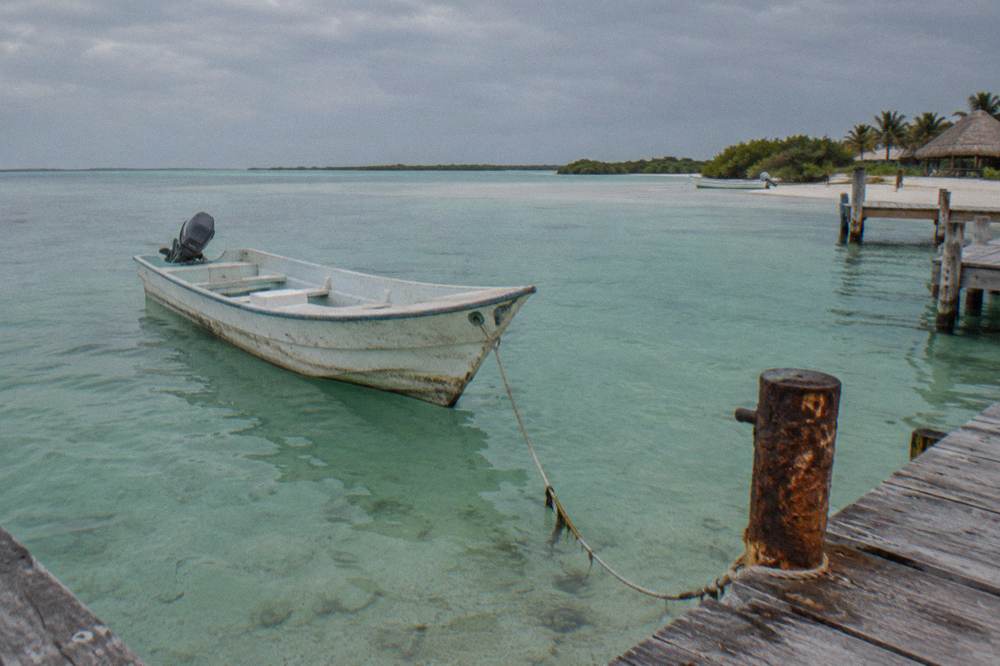
La Paz, in Baja California Sur, runs a whale shark season of roughly October to April, almost the mirror of the Caribbean window. It is a genuine alternative for autumn and winter trips, but the Quintana Roo swim season covers May to September only, so treat La Paz as a calendar pointer rather than a booking option.
The two seasons exist because the two aggregations are different populations feeding on different blooms. The Caribbean sharks gather off the Yucatan shelf in summer; the Gulf of California sharks feed in the shallow bays around La Paz in the cooler months. For a traveller, the practical effect is that Mexico effectively offers a near-year-round whale shark opportunity, split between two coasts about as far apart as two points in one country can be.
If your travel dates fall between late September and April, Baja is the side with open water. If they fall between mid-May and mid-September, Quintana Roo is your only Mexican option, and Holbox, Isla Mujeres and Cancun are the three doors into it. Mixing the two in one short trip is rarely practical given the distance, so let the calendar make the regional decision for you.
For fewer boats, June and early September are the months operators describe as quieter, with July and August the busiest on the water. The trade is crowd against abundance: peak months bring the strongest reported shark presence and the most boats; shoulder months bring thinner traffic but building or fading numbers, and early September carries the year's highest hurricane-season risk.
The 2026 season illustrated both ends. Mid-season reporting counted 15 to 20 boats out daily from Holbox at about half the authorized capacity, with demand reported down sharply by early September. Fewer boats does not mean empty water in peak, and it does not mean no sharks in the shoulders; it means your rotations are likelier to run without a queue of vessels waiting their 50-metre distance.
| Choice | Pick this month | Because |
|---|---|---|
| Strongest reported shark presence | July or August | Peak months per local reporting |
| Fewest boats, still reliable | June | Season running, crowds not yet arrived |
| Late bargain with sharks present | First week of September | Demand reported down sharply, season open to the 17th |
| Lowest storm risk inside the window | Mid-May to June | Hurricane risk peaks in September |
| Warmest water | August | 29.4 C monthly average |
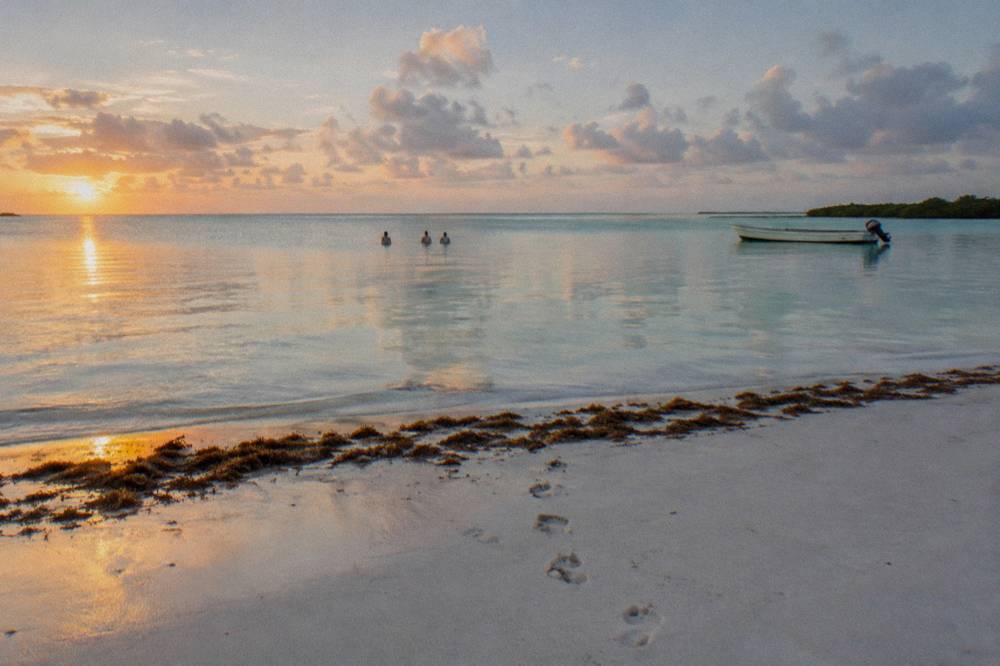
A few practical notes for the shoulder months. June sits inside the Atlantic hurricane season, which runs 1 June to 30 November, but the statistical risk peaks in September; June is early and usually gentler. Early September combines fading sharks with peak storm risk and the season's 17 September hard stop, so book a date in the first week if you chase that window. And whatever the month, keep one rest day in your itinerary: operators cancel for weather, and a rebookable date saves the trip. The what if no whale sharks appear post covers cancellation and refund practice in detail.
For a sense of what the day itself involves once you have picked the month, the what to expect on a Holbox swim guide walks through the full arc from dock briefing to the water entry, which is regulated down to the angle of the boat.
From the Isla Mujeres side, the Isla Fun Tours listing suits a shoulder-month plan nicely: from $155 per person for 6 hours, 4.9 from 1,193 reviews, and free cancellation listed, with lunch, snacks and snorkel gear included. One fee note: the listing states an environmental and dock-use fee is paid separately on the day, with the amount on the listing, so budget for it beyond the ticket price.
From Holbox, the Holtours listing is the one with hotel or port pickup within Holbox included, from $210 per person for 6 hours, 4.5 from 47 reviews. Its listing notes a departure tax paid at check-in, with the amount on the listing, the same pay-on-the-day pattern to plan for.
Plan around a mid-May opening, book June or later for reliability, choose July or August for peak abundance, and hold your seat with a free-cancellation listing until the 2027 notice confirms exact dates. Keep a rest day after your swim date, carry cash for on-the-day fees, and book early for July and August, the months local reporting shows as the busiest.
The sequencing matters more than the specific tour. Notice published, then dates firm, then bookings open. A listing with free cancellation lets you enter that pipeline early without risk, and every Holbox departure tour lists free cancellation. Peak months fill first, and the cooperatives' authorized boat count caps supply: 48 Holbox permits in 2026 against the July and August demand spike.
| Planning step | When | Why |
|---|---|---|
| Watch for the SEMARNAT notice | Around May | Prior notices appeared then; it fixes exact dates |
| Book a June or later date | As soon as listings open | Early June is when most operators run reliably |
| Confirm peak-month seats | Early, for July and August | 48 Holbox permits cap supply against peak demand |
| Build in a rest day | Day after your swim | Weather cancellations are rebooked or refunded per the listing |
| Sort cash and fees | Before the island | ATMs are scarce; some fees are paid on the day |
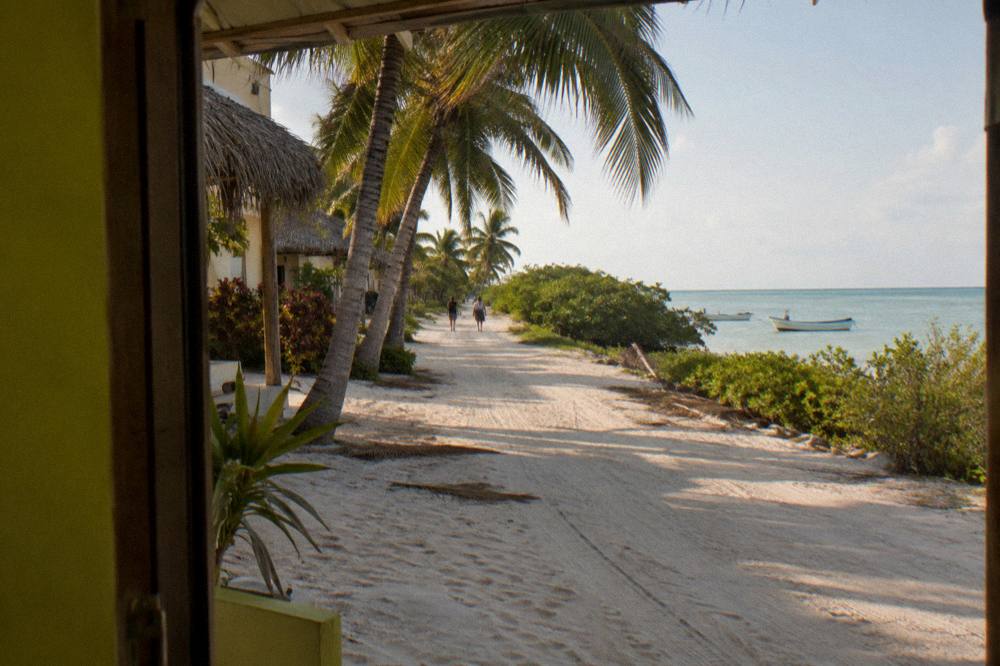
Money logistics are the other half of a Holbox plan. The island runs on cash more than cards, ATMs are scarce and often empty, and several listings charge government or protected-area fees separately on the day, amounts stated on each listing. Bring pesos from the mainland, allow for the ferry crossing from Chiquila, and read the how much a Holbox whale shark tour costs guide for the full price anatomy, ticket to tip. The comparison tools on Holbox Island Whale Shark Tours can then narrow the choice by departure point and price.
July and August are the peak months, with the strongest reported aggregations and the most boats running. June and early September are quieter alternatives: operators describe building numbers in June and fading but present sharks in early September, with thinner boat traffic than at peak.
Not on the Caribbean coast. The Holbox, Isla Mujeres and Cancun season closes in mid-September and reopens in mid-May. Winter swimmers go to La Paz in Baja California Sur, whose season runs roughly October to April. All departures leave from Quintana Roo.
No. The 2027 SEMARNAT notice has not been published. Prior-year notices appeared around May, so plan around a typical mid-May opening and book a June or later date with a listing that offers free cancellation.
The season runs to 17 September, and operators describe sharks as still present in early September with far fewer boats than in August. It is a real option, but it carries the highest hurricane-season risk of the window and a hard close, so book the first week of the month and keep a spare day.
No. Cancun, Isla Mujeres and Holbox all serve the same aggregation inside the same federal season, mid-May to mid-September with July and August as peak. The bases differ in price, transfer time and boat style, not in timing.
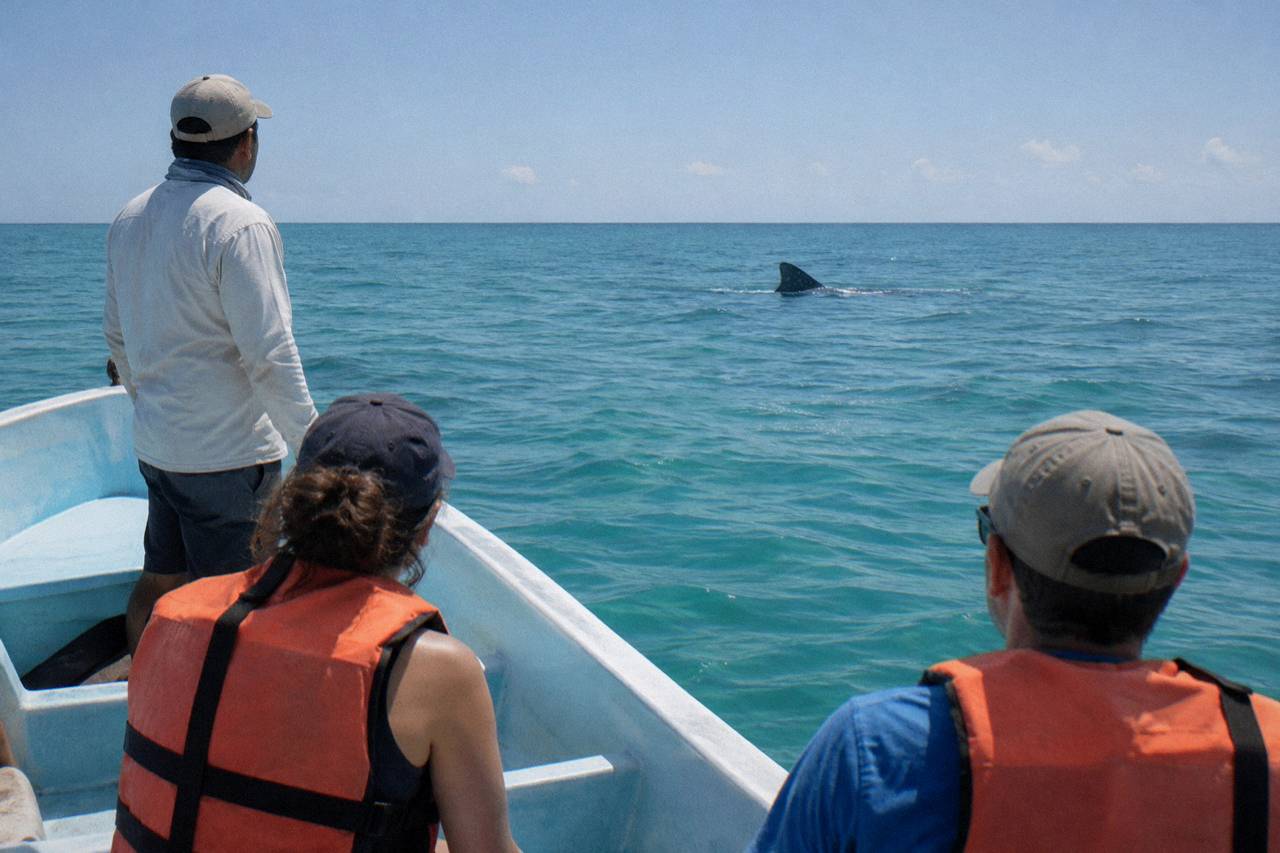
Before you go, the pick for this guide:
All-Inclusive, Three Languages
★ 4.9 267 reviews · From $209
Check availability →