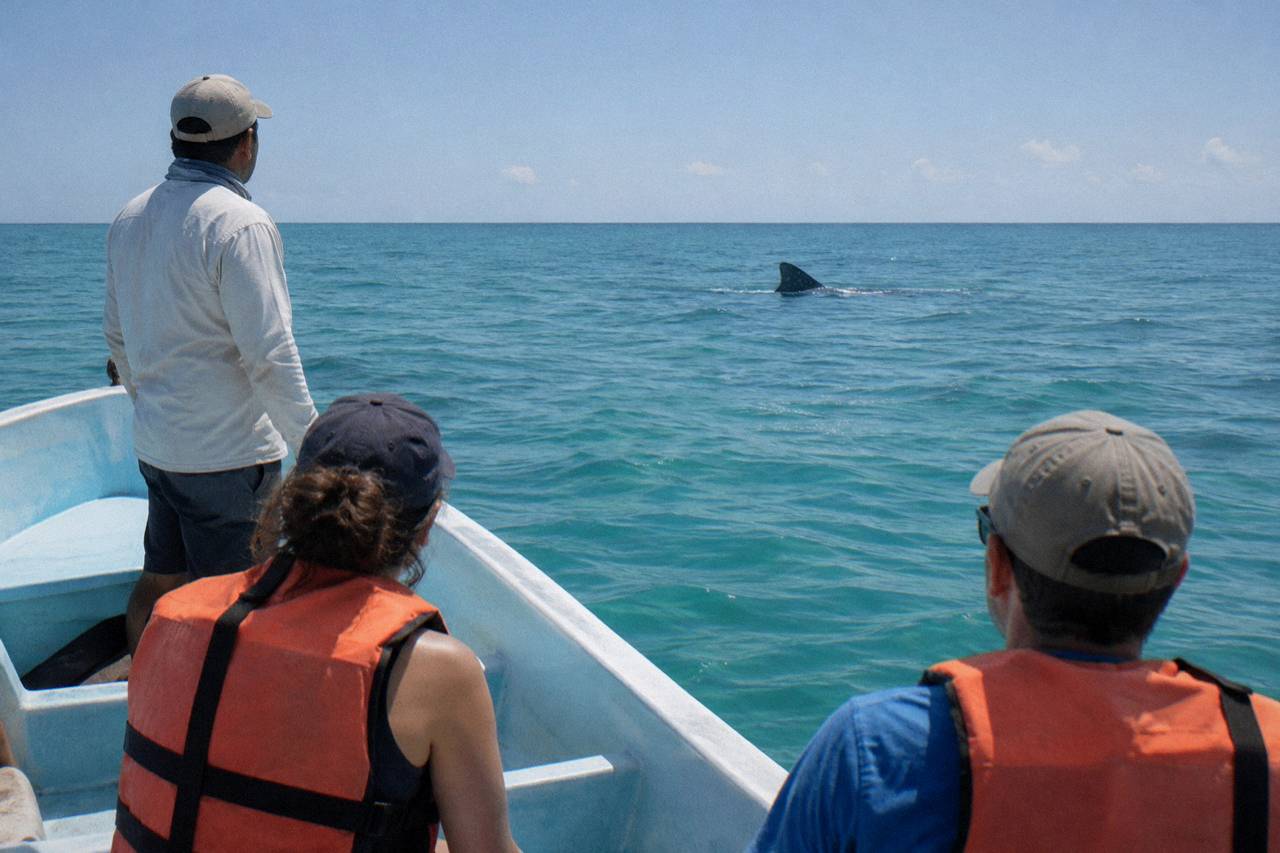
Is Whale Shark Season Over In Holbox? The 2026 Season And Next Year
The 2026 Holbox whale shark season closed on 17 September per the SEMARNAT notice. What the final weeks looked like, and how to plan a 2027 swim.
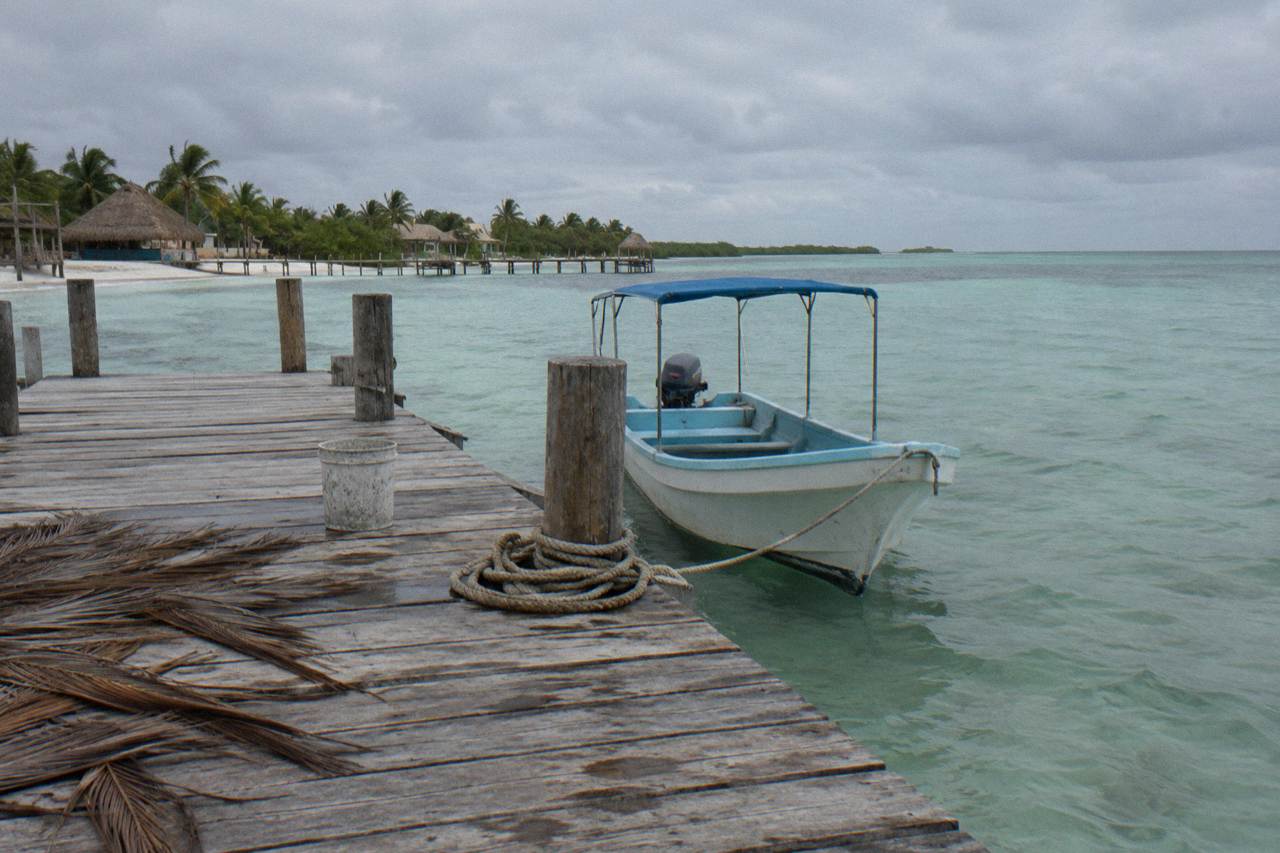
The last authorized whale shark swims out of Holbox for 2026 happened in the middle of September, and the federal notice that closed them is unambiguous about the date. If you are reading this in October or later, there is no whale shark season left to join this year. What is left is a planning problem, and a surprisingly good one: the quiet months are when the well-run listings get studied, compared and booked for the opening weeks, before the July and August peak fills the boats. While you line up those opening-week bookings, it also pays to read the current safety picture on Holbox, which covers everything from cash and ATM access to how boat tours are run.
Is Whale Shark Season Over In Holbox?
Yes. The 2026 season ran from 15 May to 17 September 2026 under the SEMARNAT notice issued for the Yum Balam, Tiburón Ballena and Caribe Mexicano protected areas, and it is now closed. No swims are authorized again until the 2027 season opens, typically from mid-May. The 2027 notice has not been published, and prior years' notices appeared around May.
That is the short answer. The longer one matters if you already have flights, a hotel on the island, or a group of friends who were promised a shark. The season that just ended was set by the environmental ministry's annual notice under NOM-171, the federal standard that regulates whale shark observation and swimming, and the closing date is not a soft guideline. Operators stop putting swimmers in the water when the window closes, and the cooperatives that hold the permits stop running the activity entirely.
The official notice is public and short: the SEMARNAT aviso for 2026 sets the window and the permit application deadline, and it leaves boat numbers per zone to CONANP, the national protected areas commission. If anyone tells you the season is still open in October, or that a captain will take you out anyway, that is not a loophole, it is an unauthorized trip, and the federal standard is the reason why.
For a reader landing here after the season, the practical takeaway is simple: your swim moves to next year, and next year's booking window is actually easier than the peak, because the listings open quietly in late spring before the July and August rush. The three Holbox departures below are the ones worth studying while you wait.
What Happened In The Final Weeks Of 2026?
A 3 September news report described demand down nearly 80 percent, with tour prices falling from about 2,800 pesos at the start of summer to 2,000 to 2,300 pesos, and Holbox hotel occupancy at 58.1 percent for late August. The season then closed on the official 17 September date, with the Festival of the Whale Shark held on 30 August as the effective farewell.
The end of a Holbox whale shark season is never a cliff, it is a slide. The sharks thin out through the first days of September, the weather window narrows, and the families who fill the island in July go home. In 2026 that slide was steeper than usual in commercial terms. Riviera Maya News, reporting on 3 September 2026, described demand plunging nearly 80 percent, tours repriced from about 2,800 pesos earlier in the summer to 2,000 to 2,300 pesos, and hotel occupancy for the last week of August at 58.1 percent, a figure attributed to the state tourism ministry. Those are news-report figures, not listing prices, and they describe local cash pricing rather than what the booking pages show.
Mid-season, the same outlet had reported a different picture: on 21 July 2026 it quoted the head of the Holbox tourism cooperatives describing 15 to 20 boats going out daily, roughly half of capacity, with July and August named as the peak. July's reports called the season at its height. Six weeks later it was effectively finished in commercial terms, even though the official window still had two weeks to run. That gap between the printed calendar and what operators actually run is exactly what our guide to seeing whale sharks in Holbox at the right time breaks down for anyone planning a trip.
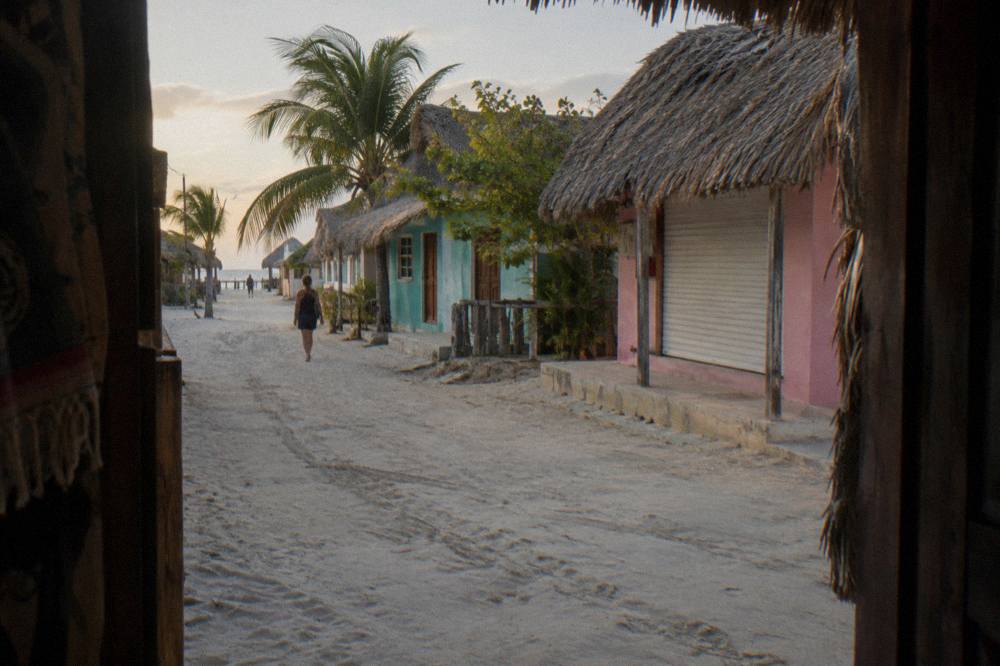
Here is what the 2026 season looked like end to end, assembled from the official notice and the dated news reporting:
| Period in 2026 | What happened | Source type |
|---|---|---|
| 15 May | Official season opening | SEMARNAT notice |
| June to mid-July | Numbers building, 15 to 20 boats daily at about half capacity by late July | News report, 21 July |
| July and August | Peak months for sightings and demand | Local news and cooperatives |
| 30 August | Festival of the Whale Shark held on Holbox | News report, 3 September |
| Early September | Demand reported down nearly 80 percent, prices at 2,000 to 2,300 pesos | News report, 3 September |
| 17 September | Official season close | SEMARNAT notice |
If that table tells you anything useful, it is this: the money months are July and August, and the moment the calendar flips to September the whole apparatus winds down fast. A swimmer who wants both warm water and busy aggregations aims earlier, not later.
There is a lesson in the 2026 close that goes beyond one year. The permit system keeps the fleet small by design, 146 CONANP permits across the region in 2026, of which 48 were for Holbox, distributed among 14 cooperatives, so a demand drop of that scale does not just mean cheaper tours, it means many boats simply stop going out. A late-season traveler does not get a bargain version of the July experience; they get a thinning operation with fewer departures, thinner aggregations and a closing date printed in a federal notice. Plan around the front and middle of the window, not the discount weeks at the end. Wherever you land inside the season window, the story behind Holbox's black hole nickname explains why so many visitors end up stretching their stay on those car-free sand roads.
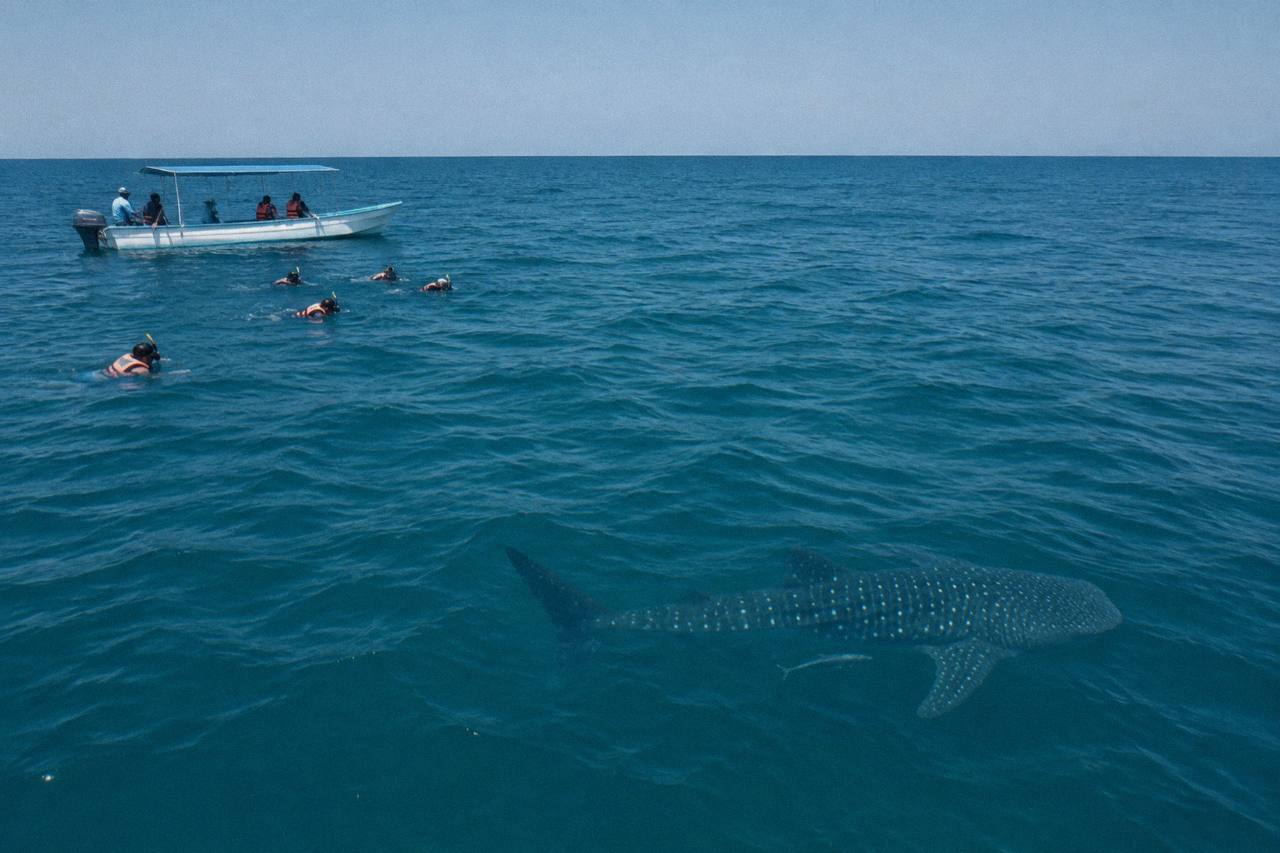
6-Hour Swim, VIP Holbox Experience
6 hours
★ 4.6 · 243 reviews · From $178
Whale shark swims ended for 2026 on 17 September. The 2027 season dates have not been announced, so open calendars may stay blank for now.
Check availability →When Does Whale Shark Season Usually Start Again?
Next season is expected to open around mid-May again, based on the pattern of recent years, with most operators running from roughly 1 June to mid-September. The official 2027 dates do not exist yet: the notice typically appears around May, and until it does, no listing can promise a start date.
This is the point where patience pays. The pattern is stable enough to plan around: the 2026 window opened on 15 May, closed in mid-September, and the practical operator window, the weeks when boats reliably go out, has run from the start of June to about the middle of September. The peak, every recent season, is July and August. Nothing about the 2026 season broke that shape.
What you should not do is treat any of that as a guarantee for 2027. The notice is published annually, and until it appears, dates on an operator's page are intentions, not authorizations. A listing that says "mid-May" is describing the usual pattern, and that is fine, but the booking you want to make with confidence is the one you can cancel. Free cancellation comes standard on every whale shark tour, which changes the calculus completely: book the opening weeks when dates look firm, and adjust if the notice shifts the window by a week or two.
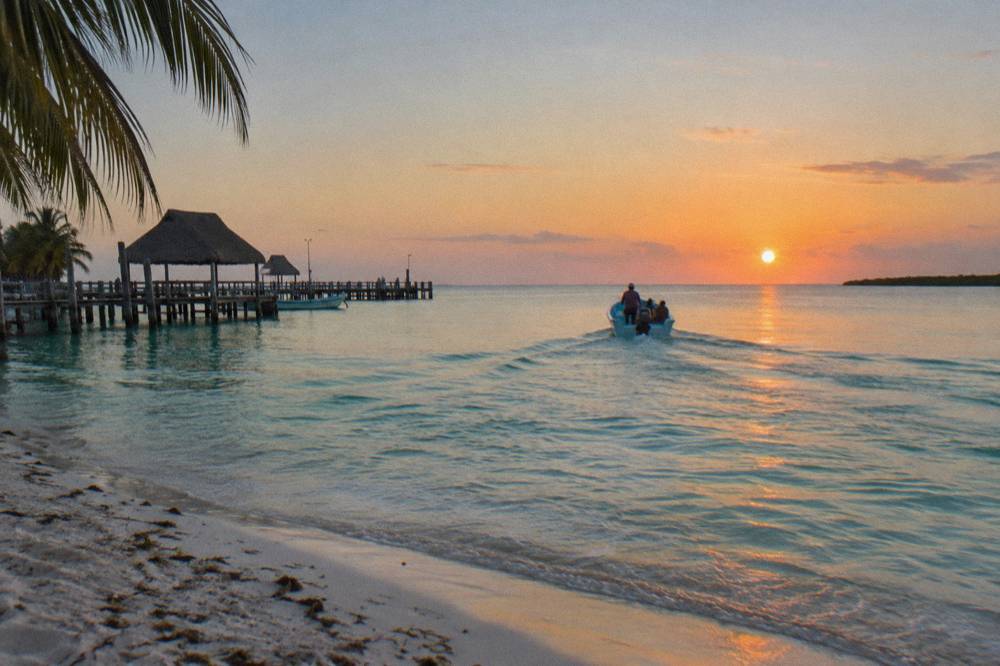
The month-by-month shape is worth internalizing now, because it is the same every year and it is the single best planning tool a returning swimmer has:
| Month | Season status | Sea temperature average | What to expect |
|---|---|---|---|
| January to April | Closed | 24.6 to 26.5 C | No swims; island visits and bird life instead |
| May | Opens mid-May | 27.6 C | First authorized swims; numbers still building |
| June | Most operators running | 28.2 C | More consistent activity as the season builds |
| July | Peak | 28.9 C | Strongest demand and the busiest water |
| August | Peak | 29.4 C | Warmest water; peak continues |
| September | Closes mid-September | 29.3 C | Numbers fade fast after the first week |
| October to December | Closed | 25.4 to 28.5 C | No swims; bioluminescence season continues |
Sea temperature figures are satellite monthly averages from seatemperature.info, and they matter less than the season column, but they answer a question swimmers ask constantly: no, the water is not cold in any month you could legally swim. August, the warmest month, averages 29.4 C, is barely distinguishable from a warm swimming pool, and even the shoulder months sit in the high twenties.
For planning next season, the departure that rewards early attention is the 6-hour tour from Holtours, Whale Shark Tour from Holbox Island, from $210 per person with hotel pickup listed and free cancellation. It is one of the few Holbox departures that picks you up at your hotel rather than a meeting point, which matters in the opening weeks when early departures and taxi scarcity collide.
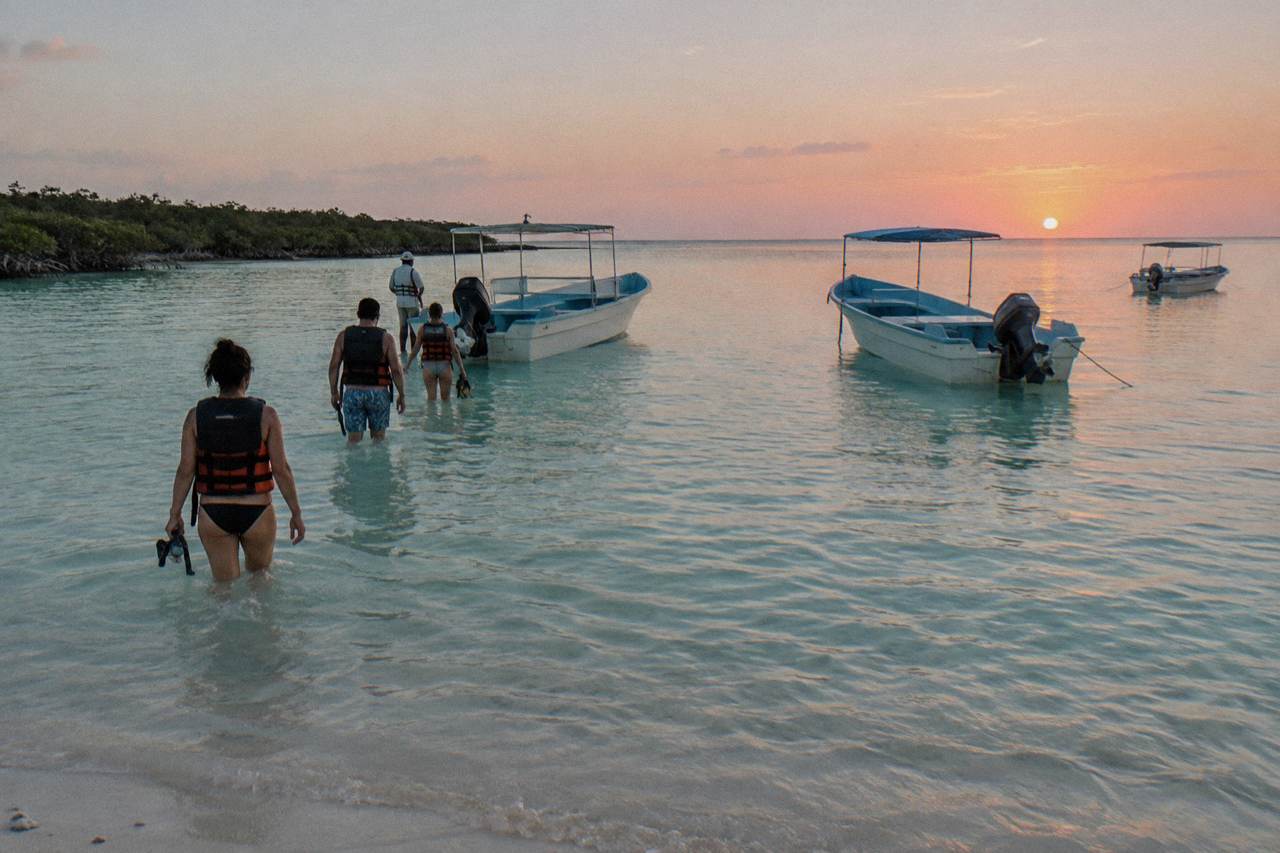
Whale Shark Swims From Holbox Island
★ 4.5 · 47 reviews · From $210
Whale shark swims ended for 2026 on 17 September. The 2027 season dates have not been announced, so open calendars may stay blank for now.
Check availability →What Can You Still Do On Holbox Until Then?
Plenty, and none of it involves a whale shark. The island's boat tours, bioluminescence kayaking, mangrove paddles and fishing charters run outside the whale shark window, from $38 to $92 per person, plus a private fishing charter from $362 per group for up to 6. The sea is still warm and the crowds are thinner.
Holbox in the closed months is a different island, and for many visitors a better one. The whale shark economy switches off and the island's other water life takes over. The three-island boat tours, which visit Bird Island, Passion Island and the Yalahau cenote spring, run year-round; shared boats cost from $38 to $92 per person. Bioluminescence kayak tours, the nighttime paddle where the water glows on dark nights, are commonly described as running May to October, strongest around the new moon, and never guaranteed. They continue for weeks after the whale shark boats stop. The wider set of guides lives on Holbox Island Whale Shark Tours.
The practical notes for the off-season are the same ones that apply in July, just sharper. Bring cash: the island has a couple of ATMs that are often empty, cards can carry a surcharge, and the ferry from Chiquila, about every 30 minutes with an adult one-way fare a 2026 ferry guide lists at 330 pesos, prefers cash. A shared shuttle from Cancun airport to Chiquila runs roughly 20 to 60 USD, a private transfer about 220 to 240 USD, and the ADO bus option takes about 4 hours total, per one 2026 transfer guide. None of this stops for the season.
Hurricane season in the Atlantic runs 1 June to 30 November, with the highest risk in September, and heavy rain flooded Holbox streets in early October 2026 according to local reports. None of that makes the off-season a bad time to visit; it makes it a time to keep plans flexible, watch forecasts and treat a boat departure time as approximate rather than contractual. Local reports also described Holbox as relatively spared by the heavy Atlantic sargassum year that 2026 was, reading mostly blue or green on the state colour map in mid-October, though conditions always vary with wind and current.
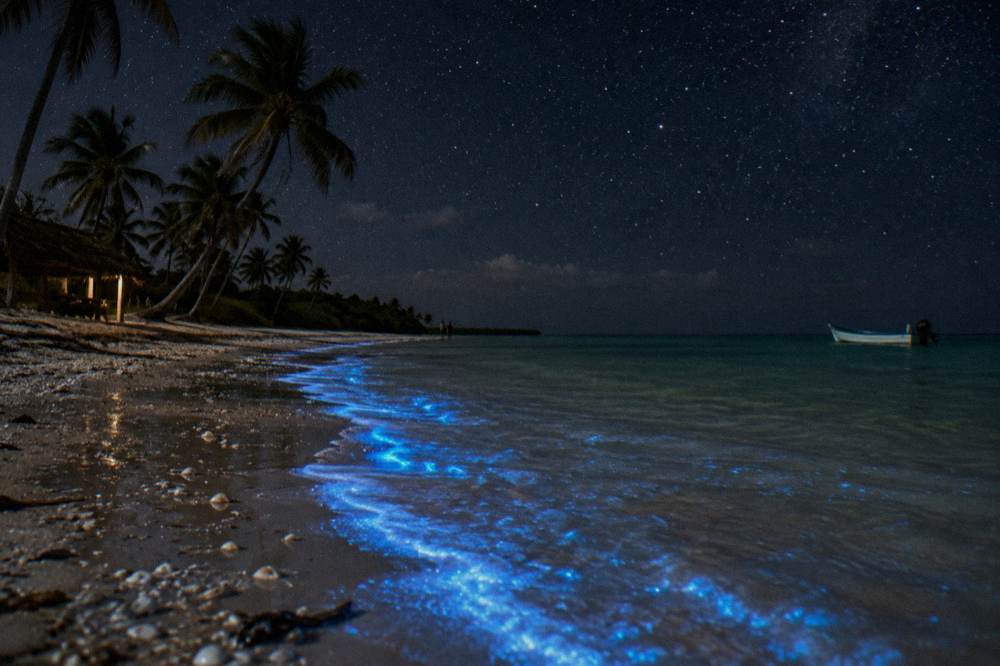
If you are on the island now and disappointed about the sharks, two reframes. First, the island tours are not consolation prizes; the bird life at Yum Balam and the bioluminescence are the reason some people come at all, and the Holbox bioluminescence guide covers the moon-phase timing that decides whether the glow shows up. Second, the off-season is when you can actually book the whale shark listing you want for next summer without competing with the peak, and the site's trip picker and homepage comparison walk the same three questions this article does. For a fuller picture of what the island offers when the sharks are gone, the things to do in Holbox guide is the round-up.
Which Tours Should You Watch For Next Season?
The listings to watch are the Holbox departures with free cancellation and firm inclusions: from $178 to $210 per person shared, plus the private boat from $1,246 per group. The all-inclusive 7-hour tour from VIP Holbox Experience, 4.9 from 267 reviews, from $209 per person, is the one most worth setting up for the opening weeks of next season.
The logic is boring and correct: free cancellation means the missing 2027 notice stops being a risk. Book the window you expect, watch for the notice around May, adjust if needed. Among the Holbox departure tours, three stand out for different travelers.
The all-inclusive listing from VIP Holbox Experience is the most reviewed Holbox departure, 4.9 from 267 reviews, from $209 per person for 7 hours, with breakfast, ceviche, snorkel gear, a satellite tracker for security and guiding in English, Spanish and French. The listing mentions a hotel transfer but excludes the taxi to the marina elsewhere, so confirm pickup before booking. The 6-hour swim from the same operator, 4.6 from 243 reviews at from $178 per person, is the cheapest shared Holbox departure and meets at the yellow Mayan house office near the ferry pier. And the eco tour from Xtreme Holbox, 4.6 from 57 reviews at from $190 per person, is the one that lists hotel pickup within Holbox plus a Cabo Catoche snorkeling stop and a Santa Paula River visit, a fuller 7-hour day for swimmers who want more than one stop in the water.
| Holbox departure | Duration | Price | Rating | Pickup listed |
|---|---|---|---|---|
| All-inclusive, VIP Holbox Experience | 7 hours | from $209 per person | 4.9 from 267 reviews | Flag reads no; see listing note |
| 6-hour swim, VIP Holbox Experience | 6 hours | from $178 per person | 4.6 from 243 reviews | No, meet at departure point |
| Hotel pickup tour, Holtours | 6 hours | from $210 per person | 4.5 from 47 reviews | Yes, within Holbox |
| Eco tour, Xtreme Holbox | 7 hours | from $190 per person | 4.6 from 57 reviews | Yes, within Holbox |
| Group adventure, Holbox Whale Shark Tours | 7 hours | from $184 per person | 4.3 from 86 reviews | No, meet at departure point |
| Private swim, VIP Holbox Experience | 7 hours | from $1,246 per group | 4.5 from 27 reviews | No, meet at departure point |
One caution that applies across every line in that table: several Holbox and Cancun-area listings charge a government, park or conservation fee on the day, and each listing states the amount on its own page. The fee is paid separately; treat it as a budget line, not a surprise. The eco tour from Xtreme Holbox is the fuller-day option worth watching alongside the all-inclusive, and both can be compared directly on the how to choose a Holbox whale shark tour guide.
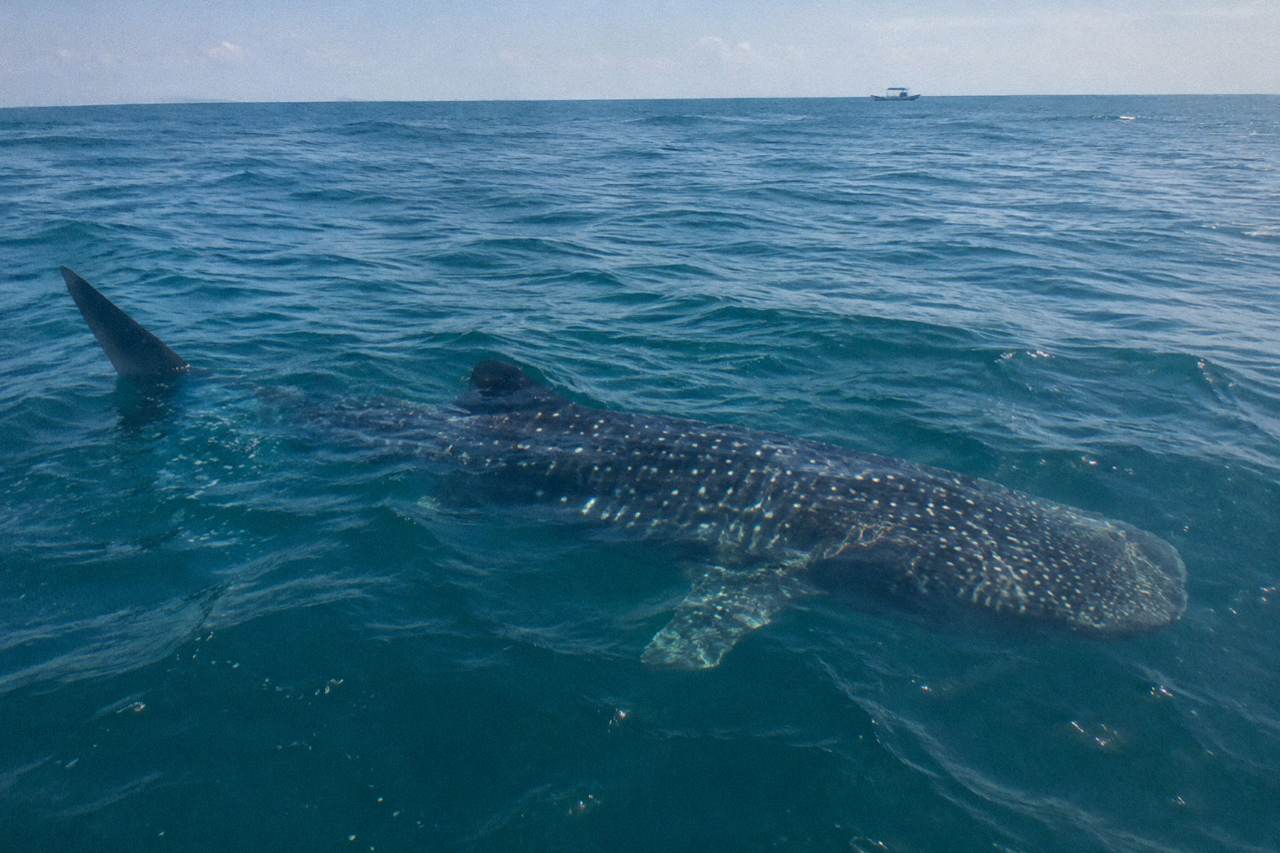
Whale Shark Swims From Holbox Island · 7 hours
★ 4.6 · 57 reviews · From $190
Whale shark swims ended for 2026 on 17 September. The 2027 season dates have not been announced, so open calendars may stay blank for now.
Check availability →How Do You Plan A 2027 Booking Without Official Dates?
Book a free-cancellation listing for mid-May or early June, watch for the SEMARNAT notice around May, and adjust if the dates move. Aim your swim at the opening weeks for quiet water or July and August for peak activity, and avoid September unless you accept fading numbers and weather risk. Every listing compared here offers free cancellation.
The notice is the anchor of the whole plan. It is published by the environmental ministry, it sets the window and the permit rules for the season, and in recent years it has appeared around May, close to the opening date. Until it exists for 2027, everything is pattern-matching, which is fine as long as your booking can be cancelled without cost. That single feature turns an uncertain date into a manageable one.
Timing within the season is the second decision. The opening weeks, mid-May into June, suit travelers who want smaller crowds and accept that the aggregations are still building; operators describe many sharks in peak weeks and fewer early on. July and August are the peak months, with the busiest water and the strongest demand, and they are the months that sell out first. September fades quickly: this year demand was reported down nearly 80 percent by early September, which tells you how fast the back half of the window empties.
A third decision is where you sleep, because Holbox fills in July and August. The where to stay in Holbox guide covers the neighborhoods, and the best time to visit Holbox by weather puts the whale shark window in the context of sargassum, rain and hurricane season, which runs 1 June to 30 November with the highest risk in September. For travelers who want a fuller picture of the season shape across all departure points, the month-by-month season guide is the detailed version of the table above.
None of this needs to be solved today. The season is closed, the notice is months away, and the only irreversible decisions are the ones made in a hurry. Study the listings, pick a cancellation-friendly departure, and let May settle the dates.
Common Questions About Whale Shark Season In Holbox
Can You Swim With Whale Sharks In Holbox In October?
No. October falls outside the authorized window, which closed on 17 September 2026. Swims resume when the next season opens, typically from mid-May.
When Will The 2027 Whale Shark Dates Be Announced?
The SEMARNAT notice has not been published for 2027. In prior years it appeared around May, close to the season opening, so expect firm dates in late spring rather than over the winter.
What Is The Best Month To Swim With Whale Sharks From Holbox?
July and August are the peak months, the period local reporting and the cooperatives describe as the height of the season. June builds, and September fades quickly after the first week. Booking with free cancellation covers you if plans shift.
Is Holbox Worth Visiting Outside Whale Shark Season?
For many travelers, yes. The island runs boat tours, bioluminescence kayaking, mangrove paddles and fishing year-round, the sea stays warm, and the off-season crowds are thinner. The shark swims are one draw, not the only one.